1-1200x800.jpg

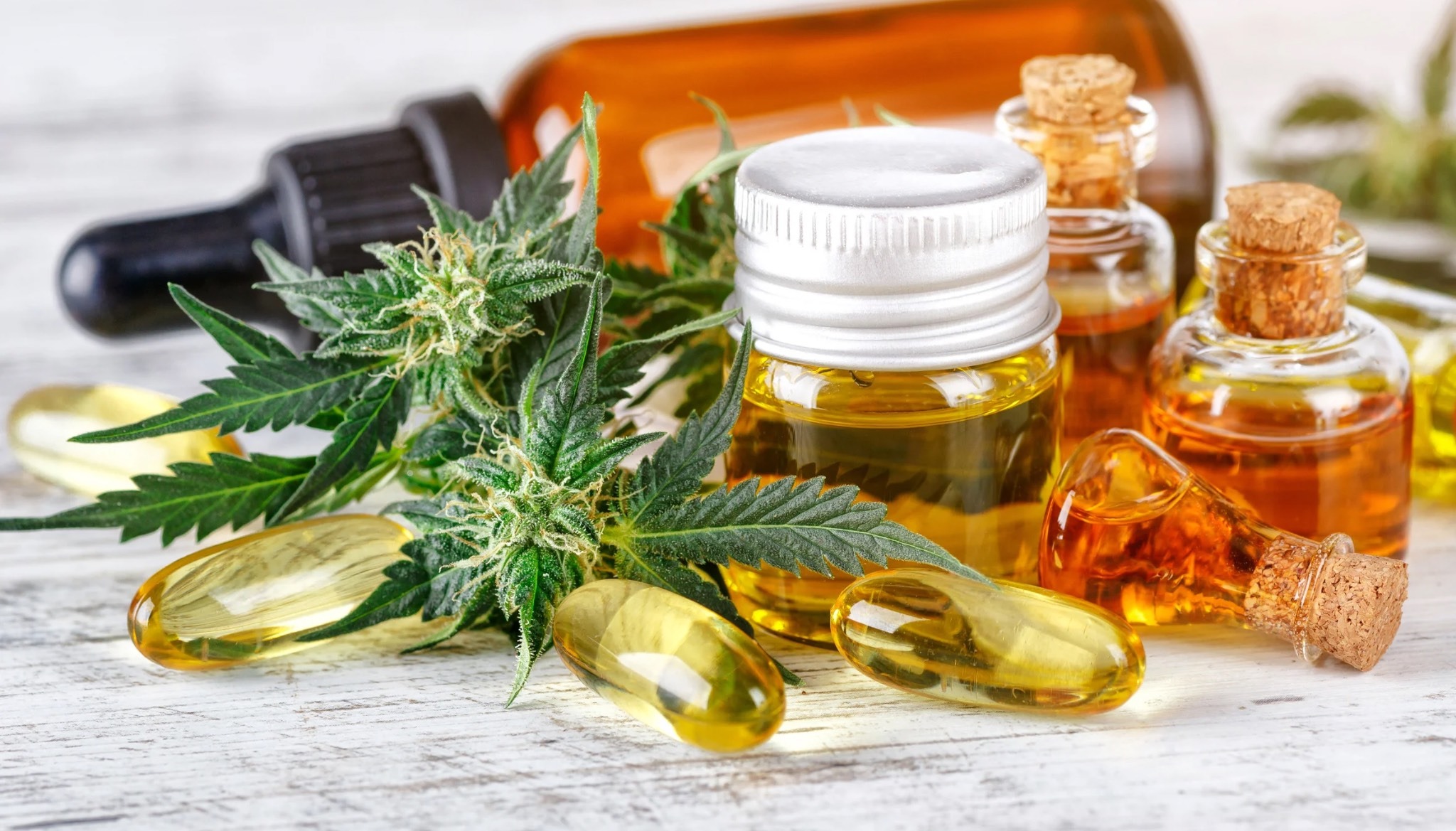
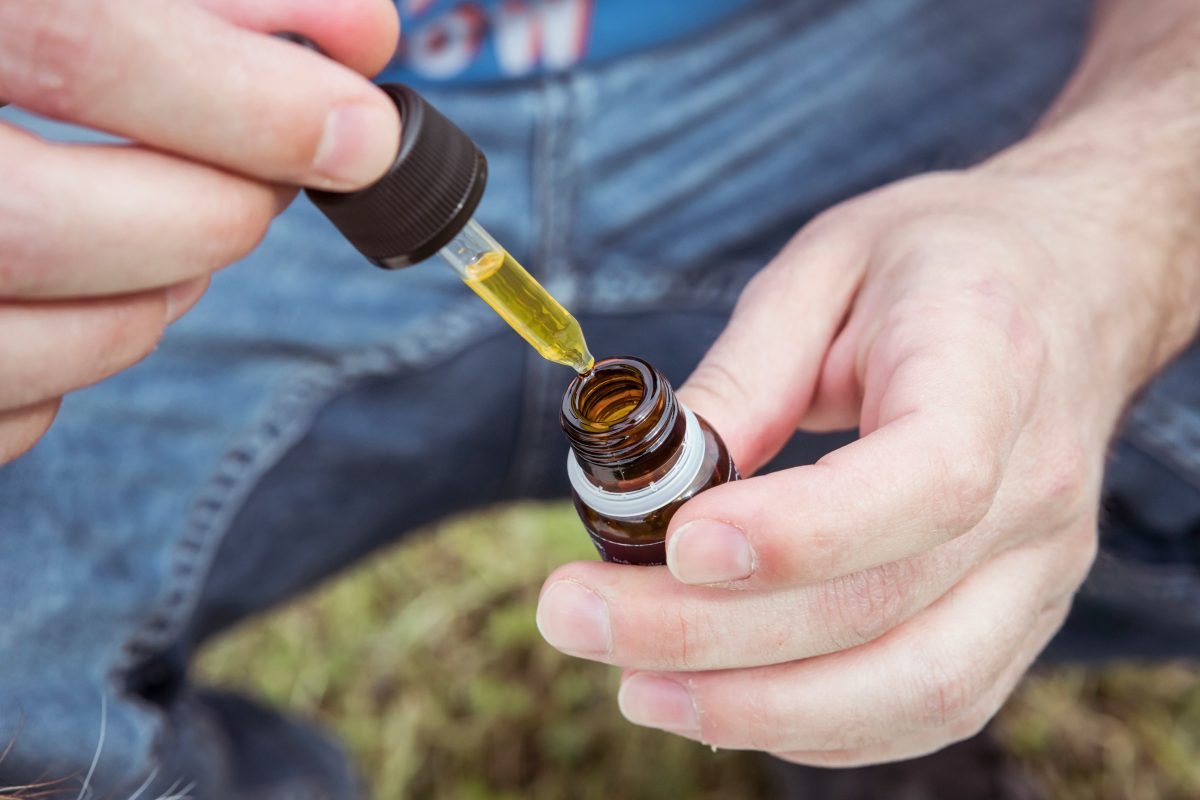
THC oils are one of the most versatile and widely discussed forms of medical marijuana, especially as more people in Jacksonville look for options that allow flexibility and precise control. Oils are typically taken sublingually under the tongue or added to food or beverages, giving individuals multiple ways to incorporate THC into their routine. This adaptability has made THC oils a common point of interest for those who want a customizable experience rather than a one-size-fits-all product.
 

1

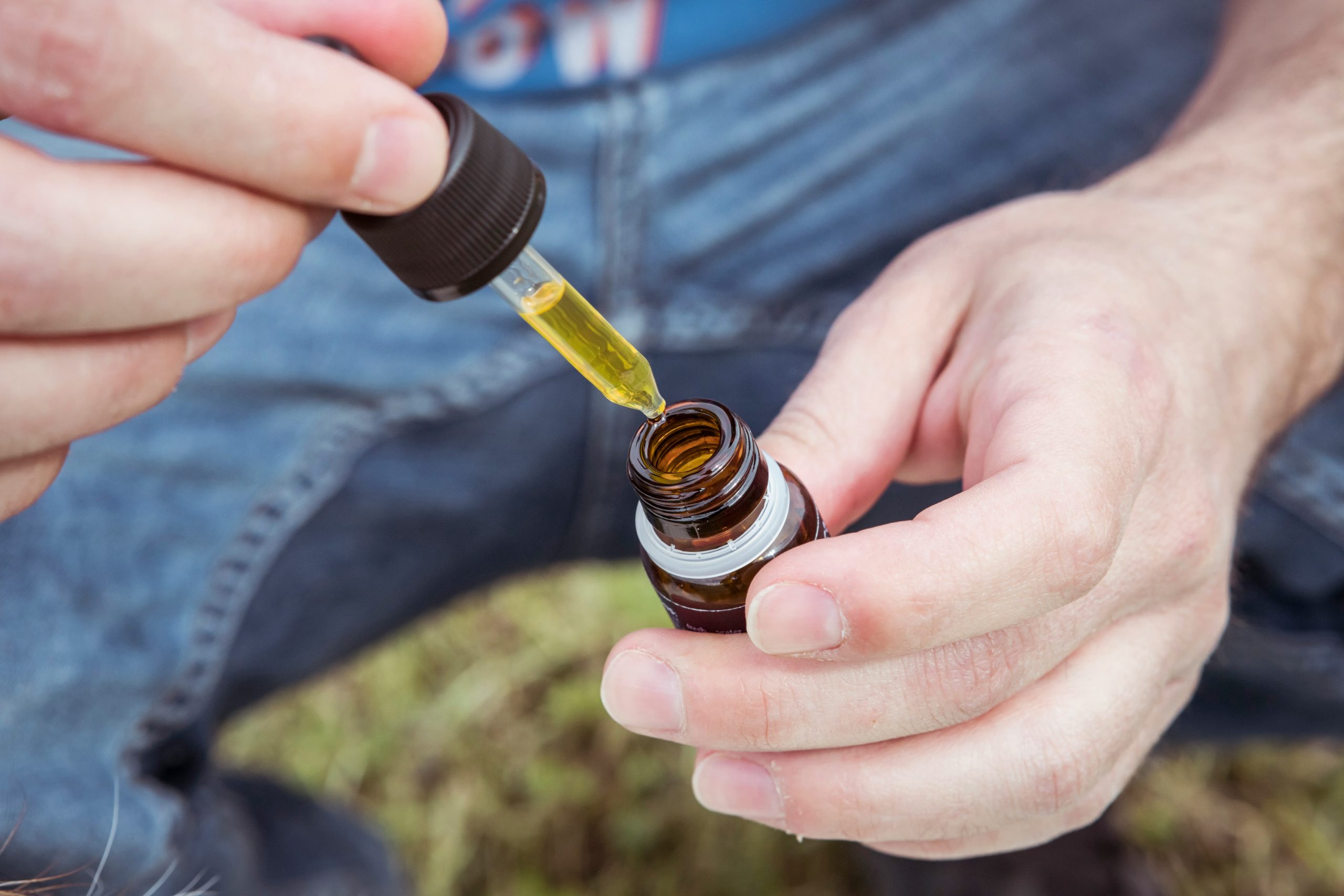
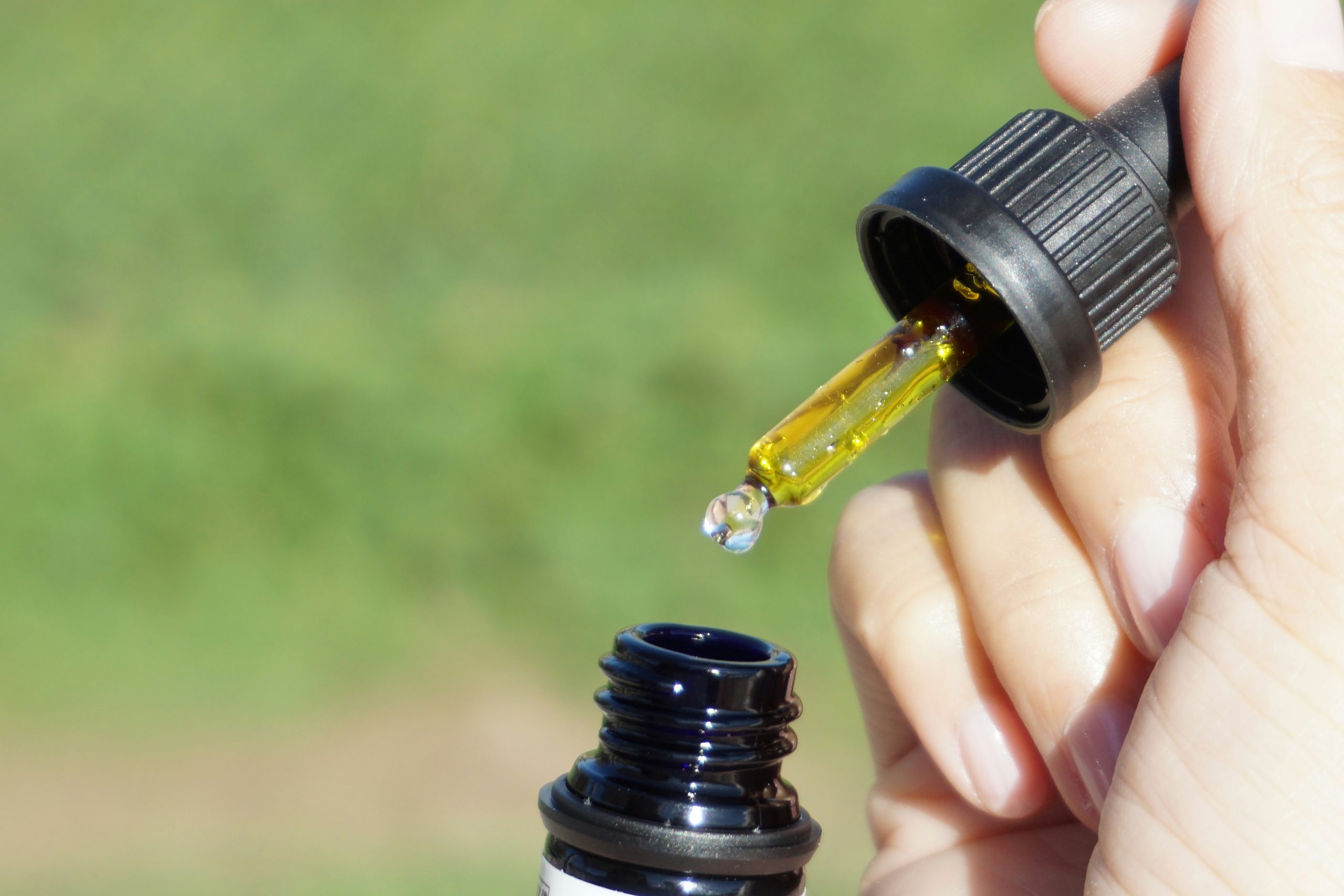
One of the defining characteristics of THC oils is dosing accuracy. Oils are usually measured by milliliters or drops, which allows individuals to start with very small amounts and adjust gradually. This measured approach is especially important for people new to medical marijuana or for those who want to fine-tune how THC fits into their daily schedule. Compared to edibles, oils often activate more predictably, and compared to inhalation, they offer a longer-lasting effect without smoke or vapor.

There is also frequent confusion around how THC oils feel compared to other formats. Oils don’t work instantly, but they generally act faster than gummies or chocolates when used sublingually. Effects depend on factors like metabolism, timing, and consistency of use, which is why education plays such a critical role. Understanding how THC oils interact with the body helps individuals avoid overconsumption and build a more intentional approach to medical marijuana.
2

Product quality matters significantly when it comes to THC oils. Oils obtained through non-medical channels may vary in potency, labeling accuracy, and testing standards. Accessing THC oils through a licensed medical marijuana provider ensures clearer dosing information and better consistency. As interest continues to grow across Jacksonville and nearby areas like St. Nicholas, reliable guidance becomes just as important as the product itself.

3

For anyone exploring whether THC oils may support their wellness goals, AML provides trusted education and medical marijuana certification in Jacksonville. The AML team helps individuals understand how THC oils compare to other MMJ options, how to dose responsibly, and how to choose a format that aligns with their lifestyle. Whether you’re near St. Nicholas or elsewhere in Jacksonville, visiting AML is the first step toward informed, guided use of medical marijuana and products like THC oils.
1-1-1200x685.png

¿Pueden los cannabis medicinal ayudar con dolor menstrual?

1

What You Should Know

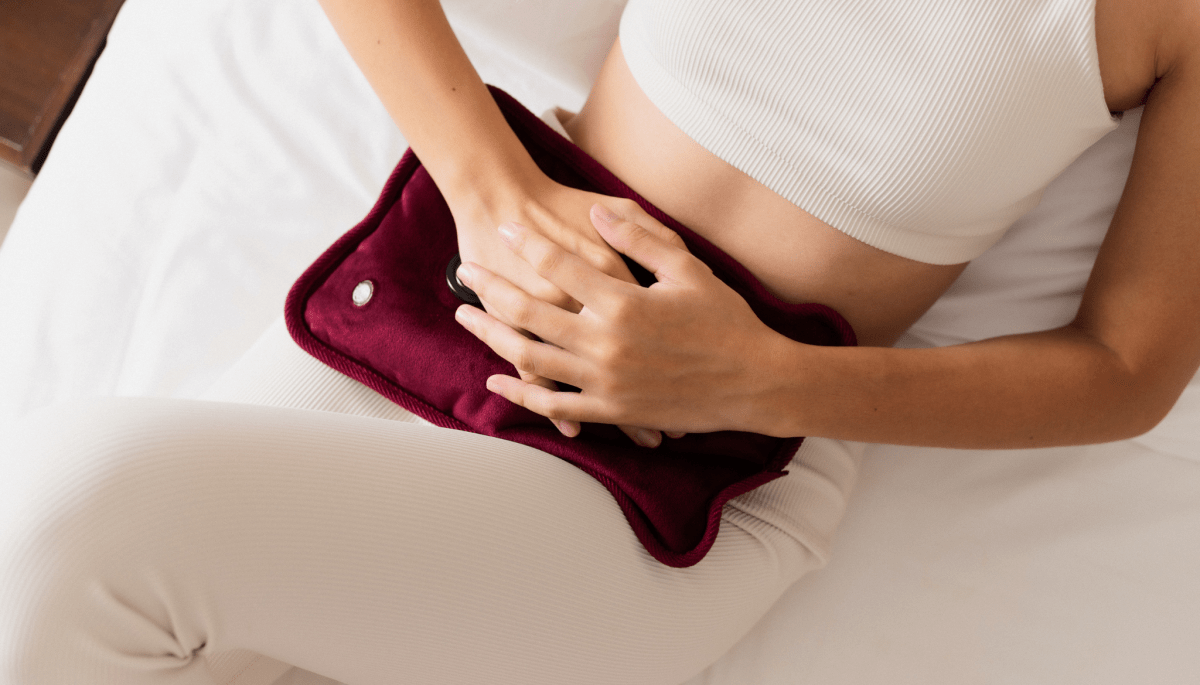
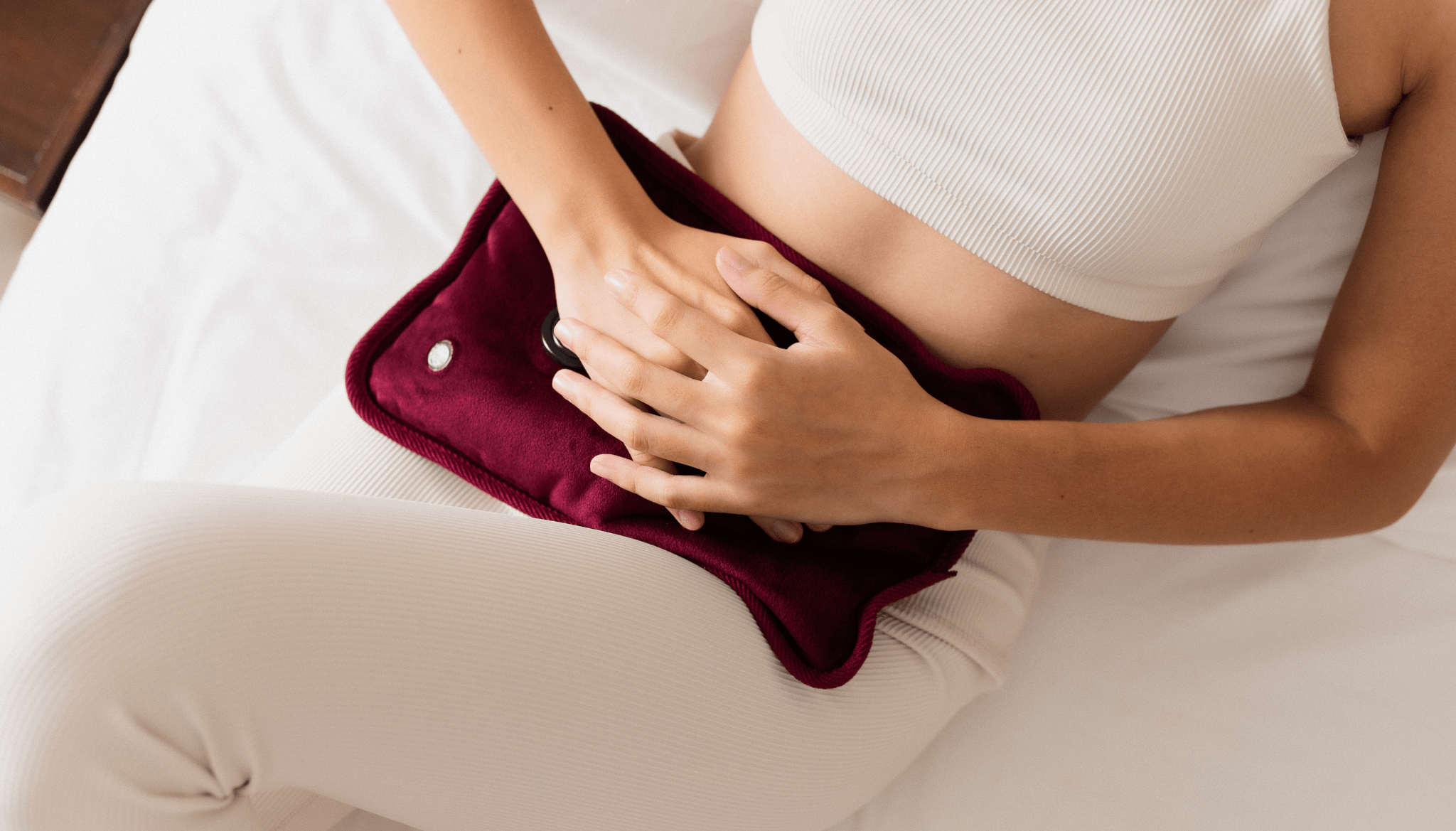
Menstrual cramps are more than just a “monthly inconvenience” for many women — they can be intense, painful, and disruptive to everyday life. If you’ve ever missed work, lost sleep, or had to cancel plans because of cramps, you’re not alone.

In recent years, more women have been turning to medical cannabis as an alternative option for relief. But can it actually help? Let’s break it down.

How Menstrual Pain Works

When you get your period, your body releases chemicals called prostaglandins. These trigger the muscles in your uterus to contract — which is what causes cramps. The more prostaglandins you produce, the worse the pain.

Cramps can also come with inflammation, lower back pain, headaches, mood swings, and even nausea.

How Cannabis May Help

Cannabis interacts with the endocannabinoid system, a part of your body that plays a role in regulating pain, mood, and inflammation.

THC may help relax muscles and reduce the intensity of cramps.

CDB may help reduce inflammation and ease anxiety or irritability.

Some patients report that cannabis helps them feel more comfortable and relaxed during their cycle. While formal research is still catching up, real-world feedback from women has been increasingly positive.

What Products Are Common for Cramps?

2

Women often use:

Tincturas (drops under the tongue) for quick relief

Edibles for longer-lasting effects

Topicals for targeted pain in the abdomen or lower back

Flower or vape for faster onset

The right product depends on your symptoms, lifestyle, and preferences — and that’s where talking to a certified physician comes in.

Should You Try Medical Cannabis for Period Pain?

If traditional over-the-counter meds aren’t cutting it — or if you’re looking for a more natural, personalized option — medical cannabis may be worth exploring. It’s important to speak with a licensed MMJ physician who can guide you safely and legally. Menstrual pain shouldn’t be something you just “deal with.” There are options, and cannabis might be one of them.

Estamos aquí para ayudar

En AML, creemos en tratar a las personas con compasión y respeto. Si es tu primera vez explorando marihuana médica o estás buscando una clínica más solidaria, tenemos tu espalda.

¿Necesita ayuda para iniciar el proceso? Llame o reserve su cita en línea—te guiaremos por todo con cuidado y claridad.


1-1200x685.jpg

Cannabis and Mental Health: What Science Is Saying in 2025

1

Mental health is finally getting the attention it deserves. More people than ever are prioritizing their emotional well-being and exploring alternative ways to manage anxiety depression PTSD and everyday stress. One of the most talked-about tools in 2025? medical marijuana.

Understanding the Link Between Cannabis and Mental Health

The endocannabinoid system is a natural part of the human body and it helps regulate things like mood sleep appetite and stress response. Compounds in cannabis such as THC y CDB interact with this system to potentially create calming stabilizing effects on the brain.

Recent research shows that medical marijuana may help reduce symptoms of common mental health conditions when used responsibly under medical supervision. For example:

  • CDB has been found to reduce social anxiety and promote relaxation without the psychoactive effects of THC
  • THC in low doses may offer relief for people with PTSD by reducing flashbacks and improving sleep quality
  • Patients with depression often report improved mood motivation and energy levels after incorporating MMJ into their treatment plans

It’s important to note that cannabis is not a cure but it can be a valuable complement to therapy and other treatments.

Fighting the Stigma Around MMJ and Mental Health

2

Unfortunately there’s still a lot of misunderstanding around cannabis use especially for mental health support. That’s why education matters. At AML we’re committed to breaking the stigma by offering compassionate care and clear guidance every step of the way.

If you’re curious about how medical marijuana can support your mental health you’re not alone. More patients in Florida are making the choice to explore cannabis as part of a holistic wellness approach. Your mental health matters.


We make it easy for qualified patients to get evaluated and receive the support they need to start their MMJ journey with confidence. Whether you’re managing chronic stress severe anxiety or trauma-related symptoms we’re here to listen and help.

Estamos aquí para ayudar

En AML, creemos en tratar a las personas con compasión y respeto. Si es tu primera vez explorando marihuana médica o estás buscando una clínica más solidaria, tenemos tu espalda.

¿Necesita ayuda para iniciar el proceso? Llame o reserve su cita en línea—te guiaremos por todo con cuidado y claridad.


3-1200x685.png

How Plant-Based Alternatives Compare to Traditional Painkillers

1

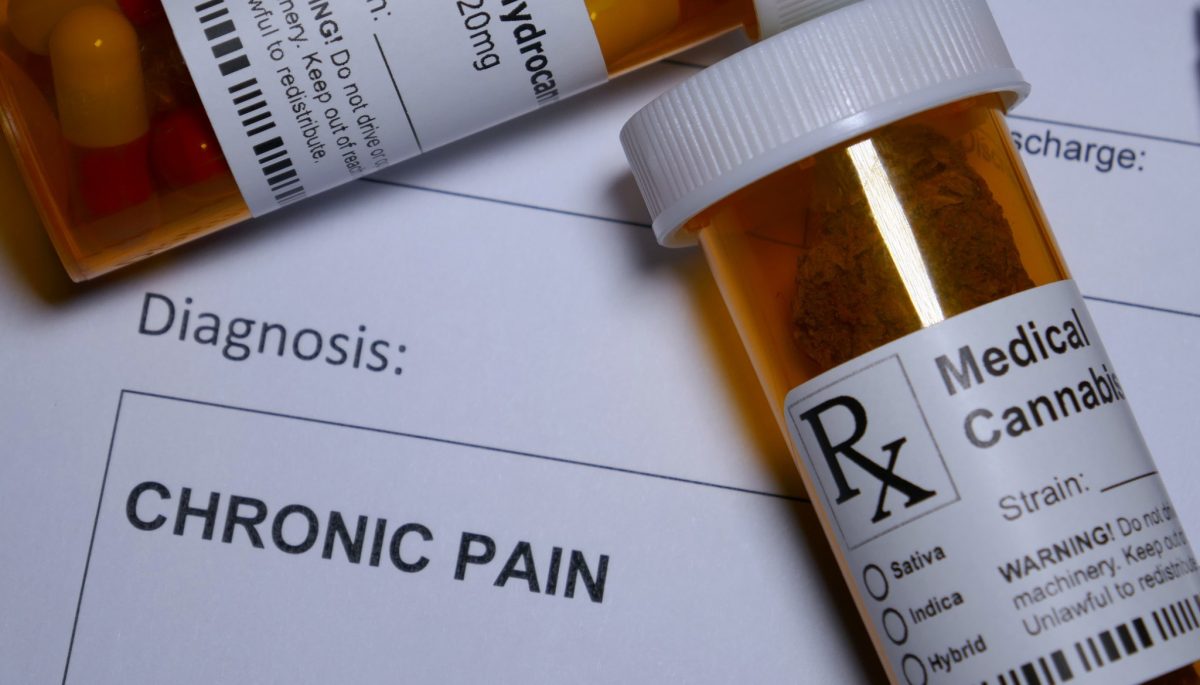
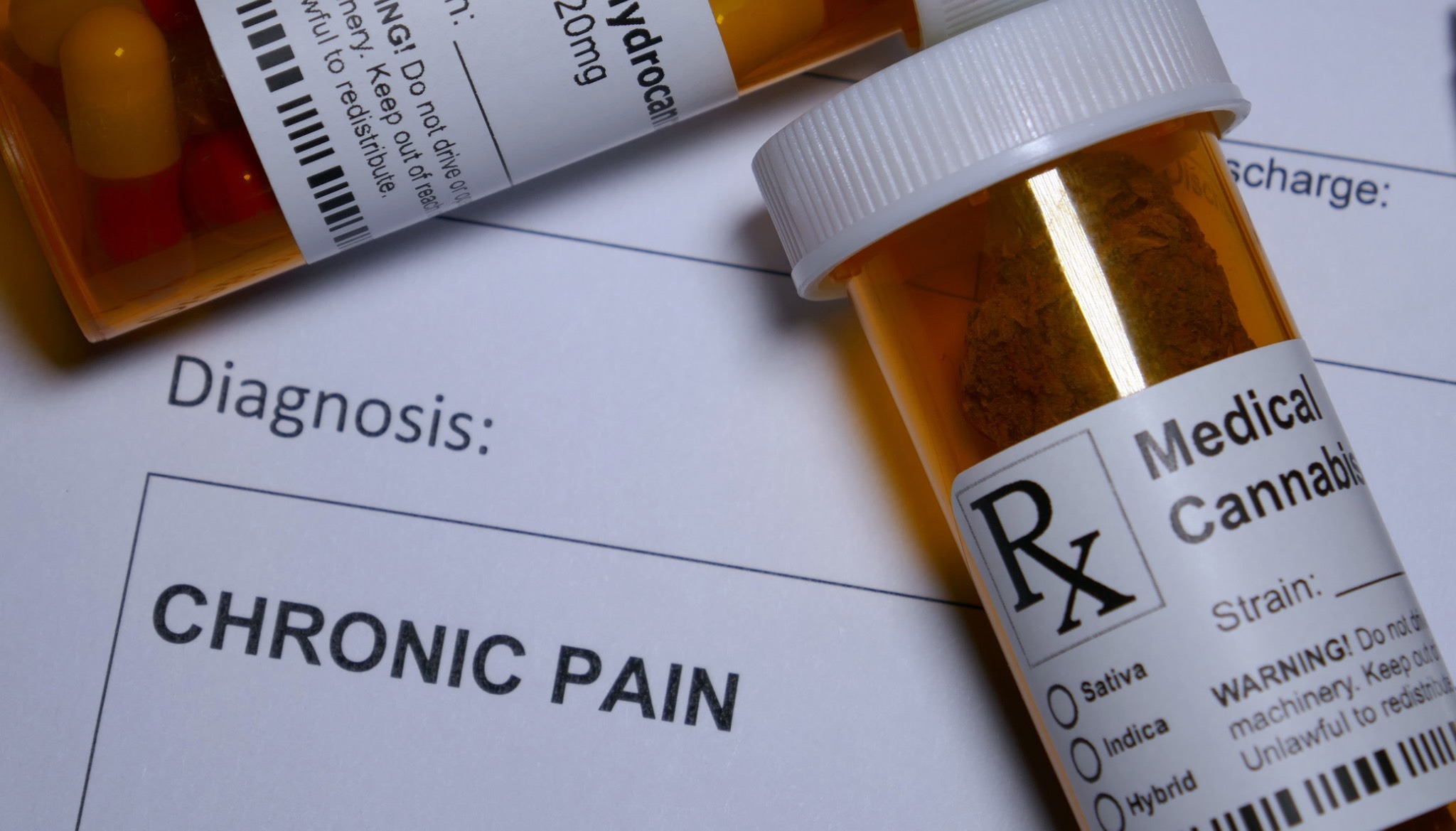
Living with Chronic Pain is a daily challenge. Chronic pain affects every part of life — from how well you sleep to your ability to work, move, and enjoy time with loved ones. For many years, prescription painkillers, especially opioids, have been the first line of treatment. These medications are known to provide fast relief by blocking pain signals in the brain, making them effective in the short term. However, with long-term use comes a higher risk of side effects, dependency, and tolerance, which has led many people to search for safer, more sustainable options.

Traditional Painkillers: Fast Relief with Long-Term Risks

Prescription opioids are often used to manage post-surgical pain, severe injuries, or other acute conditions. They typically work quickly and are easy to access with a prescription. While this can be convenient, the drawbacks are significant. Patients may begin to build a tolerance, requiring larger doses over time. Side effects like nausea, drowsiness, constipation, and mental fog are common. Most importantly, long-term use carries a real risk of dependency, which has become a growing public health concern across the country.

Exploring Natural Alternatives to Opioids

Plant-based therapies offer a different path for managing chronic pain. These alternatives focus on supporting the body’s natural processes, such as reducing inflammation, calming nerve signals, and relaxing tense muscles. Some compounds found in legally approved, plant-based options may also help with sleep and ease anxiety — two issues that often go hand-in-hand with chronic pain. While results are typically more gradual than with prescription drugs, many patients report noticeable, long-lasting improvements when treatment is approached consistently and under proper medical guidance.

2

Customization and Whole-Person Care

Another key difference is in the flexibility of treatment. Traditional painkillers tend to follow a one-size-fits-all approach. On the other hand, natural alternatives allow for more personalized care. Patients can explore different formulations, intake methods, and dosages based on their individual symptoms and lifestyle. When this is done under the supervision of a licensed provider, it gives patients more control over their care and helps reduce unwanted side effects.

Side Effects and Safety Considerations

Every treatment comes with potential risks, but plant-based options are generally seen as having a more manageable side effect profile — especially when introduced carefully. Some patients may experience mild drowsiness or dry mouth, but many find these effects tolerable compared to the heavier impact of traditional painkillers. That said, not every patient is a good fit for plant-based care, which is why a proper medical evaluation is always recommended.

Why a Medical Evaluation Matters

If you’re considering a natural alternative to opioids, the first step is to talk to a provider who understands both traditional and plant-based approaches. At our Jacksonville clinic, we take time to understand your symptoms, medical history, and personal goals. We then create a tailored plan to help you manage your pain legally and safely, using physician-guided options that align with Florida law.

3
3

Ready to Explore a Natural Path to Pain Relief?

Chronic pain doesn’t always require a prescription bottle. For many patients in Florida, a plant-based approach offers a safe, effective alternative — one that can improve quality of life without the long-term risks of opioids.

If you’re ready to explore your options, our Jacksonville clinic is here to help. We offer compassionate, judgment-free care and support you every step of the way.

En AML, creemos en tratar a las personas con compasión y respeto. Si es tu primera vez explorando marihuana médica o estás buscando una clínica más solidaria, tenemos tu espalda.

¿Necesita ayuda para iniciar el proceso? Llame o reserve su cita en línea—te guiaremos por todo con cuidado y claridad.


1-1200x685.png

MMJ Myths Busted: What It Is – And What It Isn’t

1
1

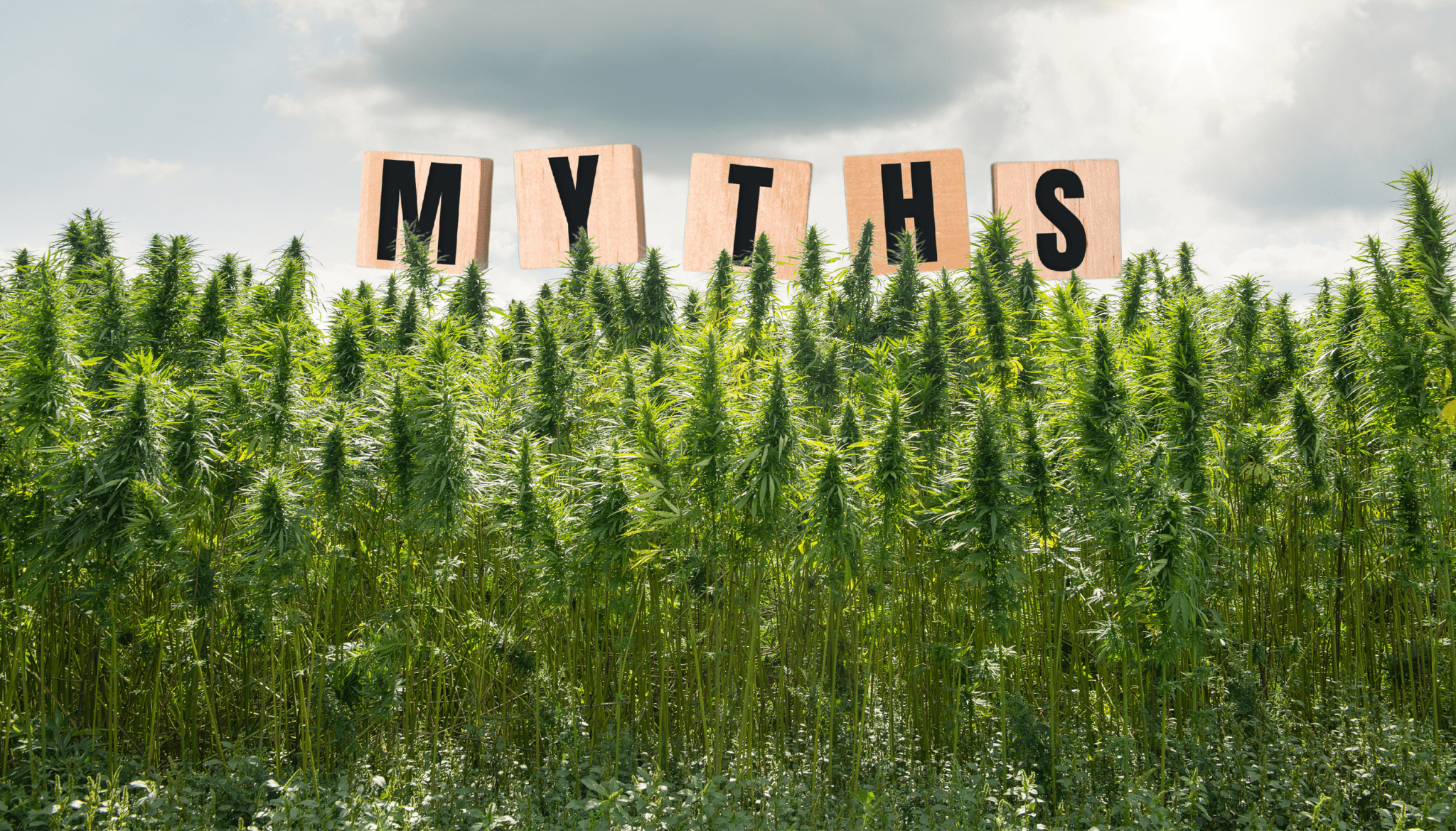
Medical marijuana (MMJ) has become an increasingly popular option for patients seeking relief from chronic pain, anxiety, insomnia, and more. But despite growing acceptance and legalization in many states -including Florida- misunderstandings and myths still surround its use. At our clinic, we believe education is key to helping patients feel informed, empowered, and safe. So let’s clear up some of the most common myths about MMJ -and highlight the facts you really need to know.

Myth #1: “It’s Just an Excuse to Get High”

One of the biggest misconceptions about MMJ is that it’s just a legal loophole to use recreational marijuana. The reality? Medical cannabis is used under the guidance of certified doctors to manage real, often debilitating conditions. Many patients use low-THC or high-CBD products that don’t produce a “high” at all, but offer powerful therapeutic benefits -like reduced inflammation, pain relief, or anxiety control. It’s not about getting high- it’s about getting well.

Myth #2: “It’s Only for People with Serious Illnesses”

Yes, MMJ can help with conditions like cancer or epilepsy -but it’s also prescribed for more common issues like chronic back pain, anxiety, migraines, or trouble sleeping. Florida law allows MMJ to be recommended for a broad range of conditions, especially if your doctor believes it could improve your quality of life. You don’t have to be “extremely sick” to benefit from alternative, plant-based care.

Myth #3: “You Just Walk In and Get It”

In Florida, MMJ is a medical process -not something you can grab off a shelf. Patients must be evaluated by a certified physician, diagnosed with a qualifying condition, and entered into the state’s Medical Use Registry. From there, a recommendation is issued, and only then can you apply for your official Medical Use Card. It’s a structured, state-regulated system designed to keep patients safe.

Myth #4: “It’s Addictive”

When used responsibly and under medical supervision, MMJ is not considered physically addictive in the way opioids or alcohol are. In fact, some patients use it as a safer alternative to habit-forming medications. As with any therapy, your provider will guide you to the right dosage and product type to avoid overuse or dependency.

Myth #5: “It’s Not Real Medicine”

This one couldn’t be further from the truth. Medical marijuana has been studied extensively and is recognized for its anti-inflammatory, analgesic, anti-nausea, and anxiety-reducing properties. The body even has its own endocannabinoid system -designed to interact with plant compounds like THC and CBD. More and more doctors, researchers, and healthcare systems are acknowledging MMJ as a valuable part of modern medicine.

Education = Empowerment

2
2

If you’ve been curious about MMJ but unsure where to start, know this: it’s okay to have questions. That’s what we’re here for. Medical cannabis isn’t a one-size-fits-all solution, and it’s not for everyone -but for many patients, it opens the door to a better quality of life, naturally. Let’s keep the conversation honest, informed, and judgment-free.


Estamos aquí para ayudar

En AML, creemos en tratar a las personas con compasión y respeto. Si es tu primera vez explorando marihuana médica o estás buscando una clínica más solidaria, tenemos tu espalda.

¿Necesita ayuda para iniciar el proceso? Llame o reserve su cita en línea—te guiaremos por todo con cuidado y claridad.


1-1-1200x685.jpg

El poder de los remedios naturales: Cómo ayuda la marihuana

1

En los últimos años, la conversación sobre los remedios naturales para las condiciones crónicas ha cobrado impulso, ya que la marihuana emerge como una de las alternativas más discutidas. Una vez estigmatizado, el cannabis está siendo reconocido por sus beneficios terapéuticos, especialmente para aquellos que se ocupan del dolor persistente, la inflamación y otros problemas de salud a largo plazo.

¿Por qué Marihuana?

La marihuana contiene compuestos conocidos como cannabinoides, principalmente THC (tetrahidrocannabinol) y CBD (cannabidiol).

2

Estos interactúan con el sistema endocannabinoide del cuerpo (ECS), que desempeña un papel clave en la regulación del dolor, el estado de ánimo, el apetito y la inflamación. A diferencia de los fármacos tradicionales, el cannabis ofrece un enfoque más natural para manejar los síntomas sin los efectos secundarios graves asociados con medicamentos recetados.

Condiciones crónicas Ese beneficio de Marijuana

Dolor Crónico: Uno de los usos más documentados de la marihuana es para el alivio del dolor. Ya sea causada por artritis, daño nervioso o fibromialgia, el cannabis puede ayudar a reducir la intensidad del dolor y mejorar la calidad de vida. Muchos pacientes recurren a la marihuana médica como una alternativa más segura a los opioides, que conllevan un alto riesgo de adicción.

Ansiedad y depresión: Se ha demostrado que el CDB, un componente no psicoactivo del cannabis, tiene efectos calmantes y desestabilizadores. Para los individuos que luchan con ansiedad o depresión, ciertas cepas de marihuana pueden promover la relajación y reducir los niveles de estrés.

Inflamación y Enfermedades Autoinmunes: Condiciones como la artritis reumatoide, la enfermedad de Crohn y la esclerosis múltiple implican inflamación excesiva. El cannabis tiene propiedades antiinflamatorias que pueden ayudar a manejar los síntomas y la progresión lenta de la enfermedad.

Trastornos del sueño: Para aquellos que sufren de insomnio u otros trastornos del sueño, el cannabis (especialmente las cepas indica) puede promover un sueño más profundo y más relajado. A diferencia de las píldoras para dormir, proporciona una manera más natural de relajarse sin sentirse acurrucado al día siguiente.

Cómo utilizar la marihuana para las condiciones crónicas

La eficacia del cannabis depende del método de consumo.

3

  • Fumar/Vaping – Proporciona un alivio rápido pero no puede ser adecuado para todos.
  • Edibles – Ofrecer efectos duraderos pero tomar tiempo para empezar.
  • Aceites " Tinturas - Permitir una dosis precisa y son fáciles de incorporar en rutinas diarias.
  • Tópicos – Ideal para el dolor localizado y la inflamación, como el dolor articular.

A Balanced Approach

Mientras que la marihuana ofrece beneficios prometedores, es importante consultar a un profesional médico antes de comenzar cualquier nuevo tratamiento. La dosis, la selección de variedades y los métodos de consumo deben adaptarse a las necesidades individuales. Además, las restricciones legales varían por estado y país, por lo que la comprensión de las leyes locales es crucial.

4

La marihuana es más que una sustancia recreativa—es un poderoso remedio natural con el potencial de transformar las vidas de aquellos que sufren de condiciones crónicas. A medida que continúa la investigación, el cannabis está demostrando ser un enfoque seguro, eficaz y holístico de la salud y el bienestar.

Más información

Curioso para aprender más sobre el cannabis medicinal o para comenzar su tratamiento de marihuana medicinal? Llame al equipo cualificado de la Clínica de Marihuana Asequible (904) 586-0041 o envíe una llamada aplicación corta ¡Hoy!


© 2025 Licencia de marihuana asequible. Todos los derechos reservados.

EspañolesEspañolEspañol