Orange-Slice-Marijuana-Leaf.png

The Current State of Medical Marijuana in Florida: Amendment 3 and Its Role in Florida’s Medical Marijuana Landscape

The landscape of medical marijuana in Florida is undergoing significant changes, with Amendment 3 at the forefront of this transformation. As the state with the largest medical marijuana patient registry in the United States, Florida stands at a crucial juncture in its approach to cannabis legislation. The proposed amendment has sparked widespread debate and has the potential to reshape the state’s policies on medical and recreational marijuana use.

Current State of Medical Marijuana in Florida

Florida has emerged as a significant player in the medical marijuana landscape, boasting the largest patient registry in the United States. The state’s medical cannabis program has experienced substantial growth since its inception, with over 800,000 registered patients as of 2024. This remarkable expansion underscores the increasing acceptance and utilization of medical marijuana in the Sunshine State.

Número de pacientes médicos de marihuana por Estado 2023 tamaño
image via Statista
Patient Registry Size

The size of Florida’s medical marijuana patient registry is a testament to the program’s success. With nearly 1.5% of the state’s population enrolled, Florida has surpassed California to become the largest medical cannabis market in the country. This growth can be attributed to the state’s expanding list of qualifying conditions and the increasing awareness of medical marijuana’s potential benefits.

Qualifying Conditions

Florida’s list of qualifying conditions for medical marijuana use is comprehensive. It includes cancer, epilepsy, glaucoma, HIV/AIDS, PTSD, ALS, Crohn’s disease, Parkinson’s disease, and multiple sclerosis. Additionally, physicians have the discretion to recommend medical marijuana for other debilitating conditions they believe could benefit from cannabis treatment. This flexibility has allowed more patients to access medical marijuana, contributing to the program’s rapid expansion.

Dispensary System

The state’s dispensary system has grown alongside the patient registry. As of 2024, there are 22 licensed Medical Marijuana Treatment Centers (MMTCs) operating in Florida, with more licenses expected to be awarded. These MMTCs are vertically integrated, meaning they control all aspects of production from cultivation to retail sales. The number of dispensaries has increased significantly, with some companies operating over 100 locations statewide.

Despite the program’s success, challenges remain. The cost of medical marijuana can be prohibitive for some patients, as it is not covered by insurance. Additionally, while the number of dispensaries has grown, access can still be limited in certain areas of the state. As Florida’s medical marijuana program continues to evolve, addressing these issues will be crucial to ensuring equitable access for all eligible patients.

Amendment 3: Proposed Changes to Florida’s Cannabis Laws
Secciones de naranja & marihuana Leaf

Key Provisions

Amendment 3 aims to legalize recreational marijuana use for adults 21 and older in Florida. If passed, it would allow Floridians to possess, purchase, and use marijuana products without medical authorization. This change would also apply to tourists of legal age visiting the state.

The amendment would permit adults to possess, purchase, or use marijuana products and accessories for non-medical personal consumption through smoking, ingestion, or other methods. This provision represents a significant shift from the current medical-only model in Florida.

Potential Impact on Medical Program

The proposed amendment could have a substantial impact on Florida’s existing medical marijuana program, which is already the largest in the United States. With over 800,000 registered patients, Florida’s medical cannabis market is projected to grow from $1.75 billion in 2023 to $2.4 billion by 2026.

If Amendment 3 passes, it could potentially expand the market even further. However, it may also lead to changes in the current medical program structure. Some medical patients might transition to the recreational market, potentially affecting patient numbers and sales in the medical sector.

The amendment’s passage could also influence the operations of existing Medical Marijuana Treatment Centers (MMTCs). These vertically integrated companies might need to adapt their business models to serve both medical and recreational markets.

While the amendment aims to legalize recreational use, it’s important to note that it faces opposition. The Florida attorney general, along with other groups, is attempting to block the effort, calling it unconstitutional and accusing the state’s largest MMJ operator of trying to establish a monopoly on the adult-use market.

Despite these challenges, many cannabis companies are expanding their presence in Florida, anticipating potential adult-use legalization. This expansion includes opening new dispensaries and diversifying product offerings, demonstrating the industry’s optimism about the amendment’s possible passage.
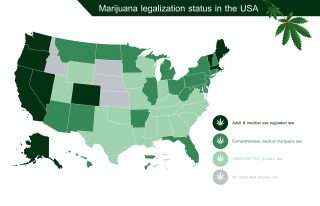
Estado de legalización de marihuana infográfica en nosotros

Comparing Florida’s Medical Marijuana Program to Other States

Florida’s medical marijuana program has become one of the largest in the United States, with over 800,000 registered patients. This significant patient base sets Florida apart from many other states with medical cannabis programs.
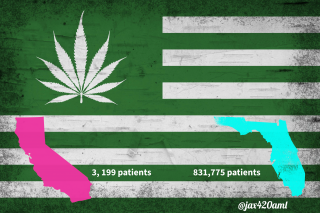
United States of Florida pacientes con CA de hierba vs pacientes con FL jax420aml

Patient Numbers

Florida boasts the largest medical marijuana patient registry in the country, surpassing even California in terms of registered users. With nearly 1.5% of the state’s population enrolled, Florida has established itself as a leader in medical cannabis adoption. This rapid growth can be attributed to the state’s expanding list of qualifying conditions and increasing awareness of medical marijuana’s potential benefits.

Accessibility

While Florida has seen substantial growth in its medical marijuana program, accessibility remains a challenge in some areas. The state has 22 licensed Medical Marijuana Treatment Centers (MMTCs) operating, with more licenses expected to be awarded. These MMTCs are vertically integrated, controlling all aspects of production from cultivation to retail sales.

However, compared to some other states, Florida’s dispensary system is still developing. For example, some companies in Florida operate over 100 locations statewide, but access can be limited in certain regions. This contrasts with states like California or Colorado, which have more established and widespread dispensary networks.

Gummies en Playa con Naranjas

Product Variety

Florida’s medical marijuana program offers a range of products to patients, including oils, edibles, and flower. However, the variety of products available may be more limited compared to some other states with longer-established programs. For instance, while Florida introduced edibles to its product lineup in August of 2020, states like California and Colorado have had a wider array of edible options for years.

Golden Gate Bridge Marijuana sale foto 1

Despite these challenges, Florida’s medical marijuana market is projected to grow significantly. The MJBiz Factbook estimates that Florida’s medical cannabis market will expand from $1.75 billion in 2023 to $2.4 billion by 2026, indicating continued growth and development in the state’s program.

As Florida’s medical marijuana program continues to evolve, it’s likely to see further expansion in patient numbers, accessibility, and product variety, potentially bringing it more in line with or even surpassing other well-established state programs.

Conclusion

Florida’s medical marijuana program has made significant strides, establishing itself as a leader in the field with the largest patient registry in the United States. The proposed Amendment 3 has the potential to cause a revolution in the state’s cannabis landscape, potentially expanding access and reshaping the existing medical program. As the debate continues, it’s clear that Florida’s approach to medical marijuana will have a lasting impact on patients, businesses, and the broader cannabis industry.
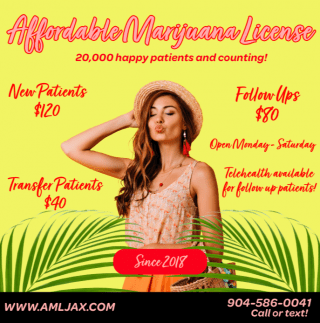
AML Nuevo precio Instagram

Looking ahead, the future of medical marijuana in Florida seems promising, with projected market growth and ongoing discussions about expanding access. To consider the potential benefits of medical marijuana, eligible individuals may want to explore their options. Make an appointment to get your medical marijuana card with Licencia de marihuana asequible ¡Hoy!
Haga clic Aquí. to see 8 Reasons You Should Get or Keep Your Medical Card if Amendment 3 Passes


Ventajas de mantener las diapositivas de tarjeta médica ¿Por qué? La tarjeta es un movimiento inteligente

Medicine Meets Legalization: What Florida’s Marijuana Law Means for Patients

Why Getting or Keeping Your Medical Card Is Still a Smart Move

The potential legalization of recreational marijuana in Florida has sparked curiosity and speculation among medical cannabis patients and enthusiasts alike. With the upcoming vote on Amendment 3 in November, the landscape of marijuana use in the Sunshine State could undergo a significant transformation.
The Coexistence of Recreational and Medical Marijuana

One of the primary questions on everyone’s mind is whether the introduction of recreational marijuana would render medical marijuana cards obsolete. According to industry experts, the answer is a resounding no. The medical marijuana program in Florida is expected to remain intact, operating alongside the recreational market, should Amendment 3 pass.

Morgan Hill, the spokesperson for Smart & Safe Florida, the organization backing the amendment, emphasizes that the addition of adult-use marijuana is merely an extension of the existing framework. “The medical marijuana program will remain unchanged,in fact, there will be continued opportunity for the state legislature to improve the medical program in years to come,” Hill asserts.

Dr. Rene Pulido, the largest medical card provider in Northeast Florida, agrees with this idea. Dr. Pulido runs Affordable Marijuana License along with Dr. Neal Verma and has helped more than 20,000 patients get their medical marijuana cards in Northeast Florida since the program’s inception in 2016. Dr. Pulido says, “Medical marijuana treatment centers will have to keep some of their products in the store just for medical patients. They’ll need to have special lines and parking spots at their dispensaries for medical patients too.” In addition to receiving prioritization at medical dispensaries, medical patients will be able to get their medical marijuana delivered to their homes.

Prioritizing Patient Experience

As Florida navigates the potential legalization of recreational marijuana, industry experts anticipate that the state legislature will implement measures to ensure a seamless transition and prioritize the needs of medical cannabis patients. This could include dedicated lines, express pickup areas, and reserved product allocations specifically for those holding medical marijuana cards.

Taxation: A Potential Differentiator

While medical marijuana is currently exempt from taxation in Florida, the same may not hold true for recreational cannabis. “All states tax adult-use marijuana,” Hill notes, indicating that the legalization of recreational marijuana could introduce excise taxes and potentially higher costs for non-medical users.

The Federation of Tax Administrators reports that excise taxes on adult-use marijuana range from 7% to 37% in states where it is legal, in addition to state sales taxes. Legislators aiming to discourage recreational use or increase state revenue may choose to impose higher tax rates on non-medical marijuana purchases. Obtaining a medical card will ensure patients continue to purchase their medicine without being subjected to extreme taxes.

Potency Restrictions: Protecting Medical Patients

Another potential area of differentiation between medical and recreational marijuana lies in the realm of potency restrictions. While there is currently no tetrahydrocannabinol (THC) restriction for smokable medical marijuana in Florida, the legislature may consider implementing caps on THC content for recreational products.

“We anticipate that any potency caps would be restricted to adult-use customers only,” Hill states, suggesting that medical marijuana patients may retain access to higher-potency products tailored to their specific needs.

Preserving Access for Minors

Florida’s current medical marijuana program allows minors to receive cannabis-based treatments, provided a qualified physician deems the benefits outweigh the potential health risks. In contrast, the proposed amendment would legalize marijuana strictly for adults aged 21 and older.

This distinction highlights the importance of maintaining the medical marijuana program to ensure continued access for minors who require cannabis-based therapies under the guidance of medical professionals.

Potential Benefits of Retaining a Medical Marijuana Card

Despite the potential legalization of recreational marijuana, industry experts and advocates emphasize several compelling reasons for medical cannabis patients to consider retaining their medical marijuana cards:

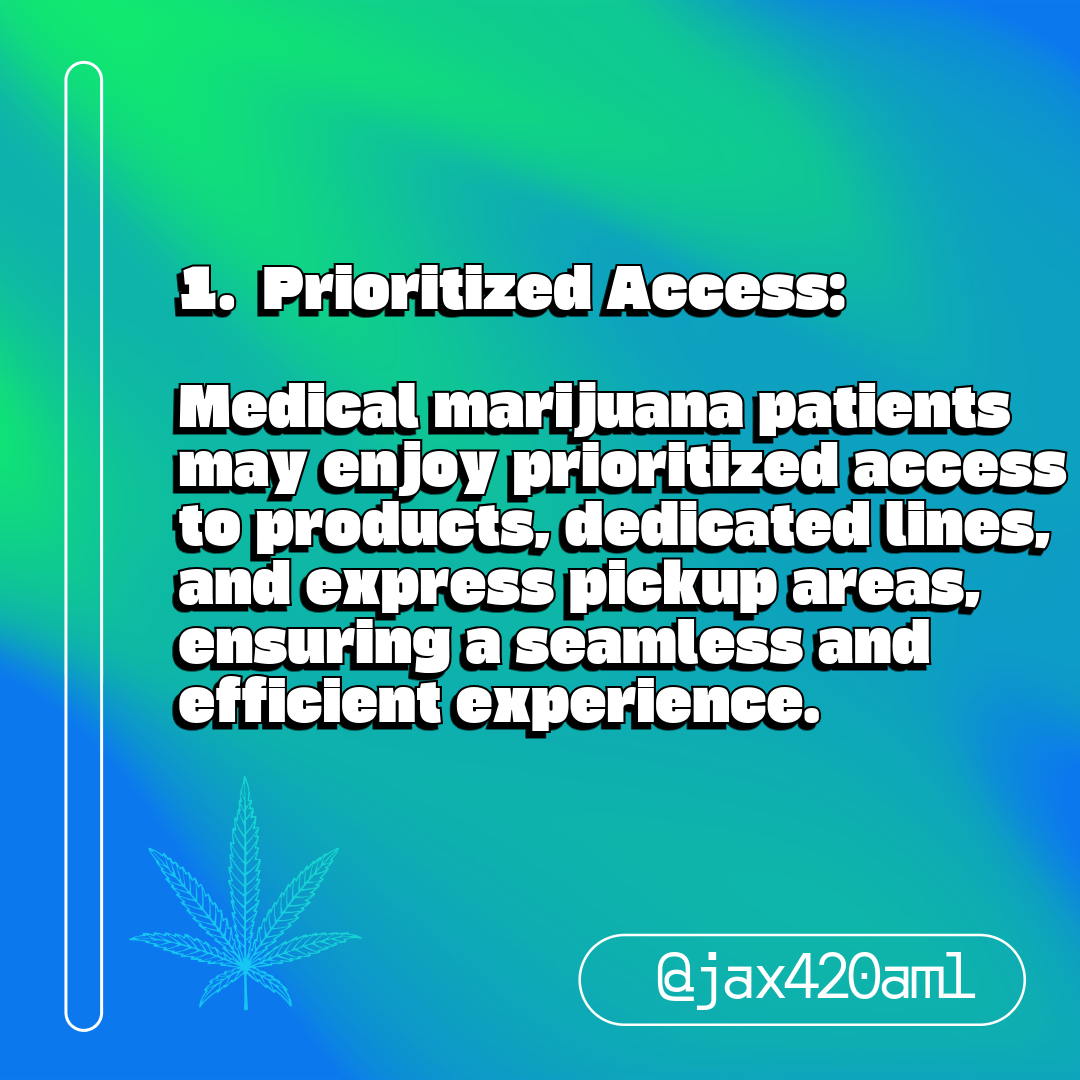
  • Prioritized Access: As mentioned earlier, medical marijuana patients may enjoy prioritized access to products, dedicated lines, and express pickup areas, ensuring a seamless and efficient experience.
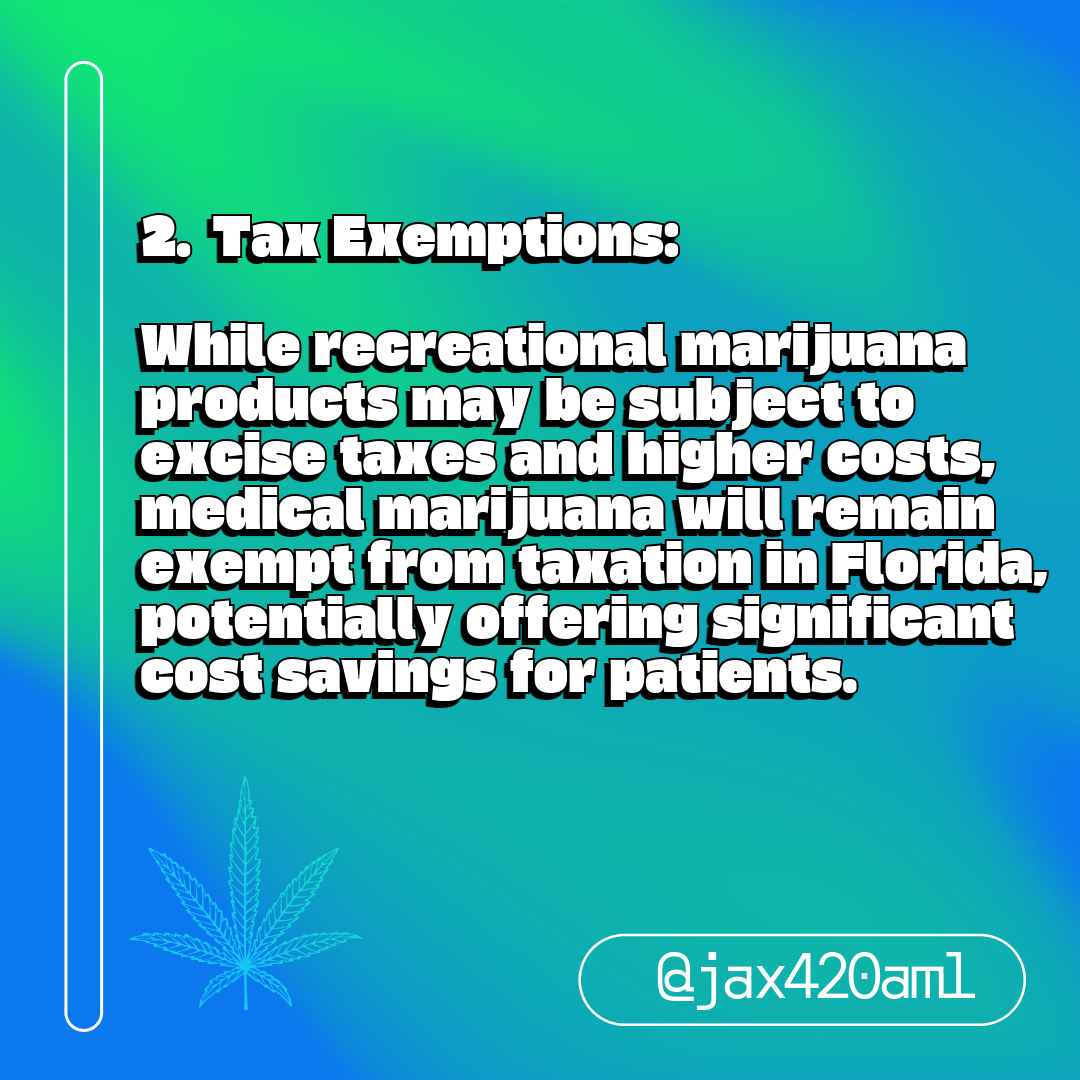
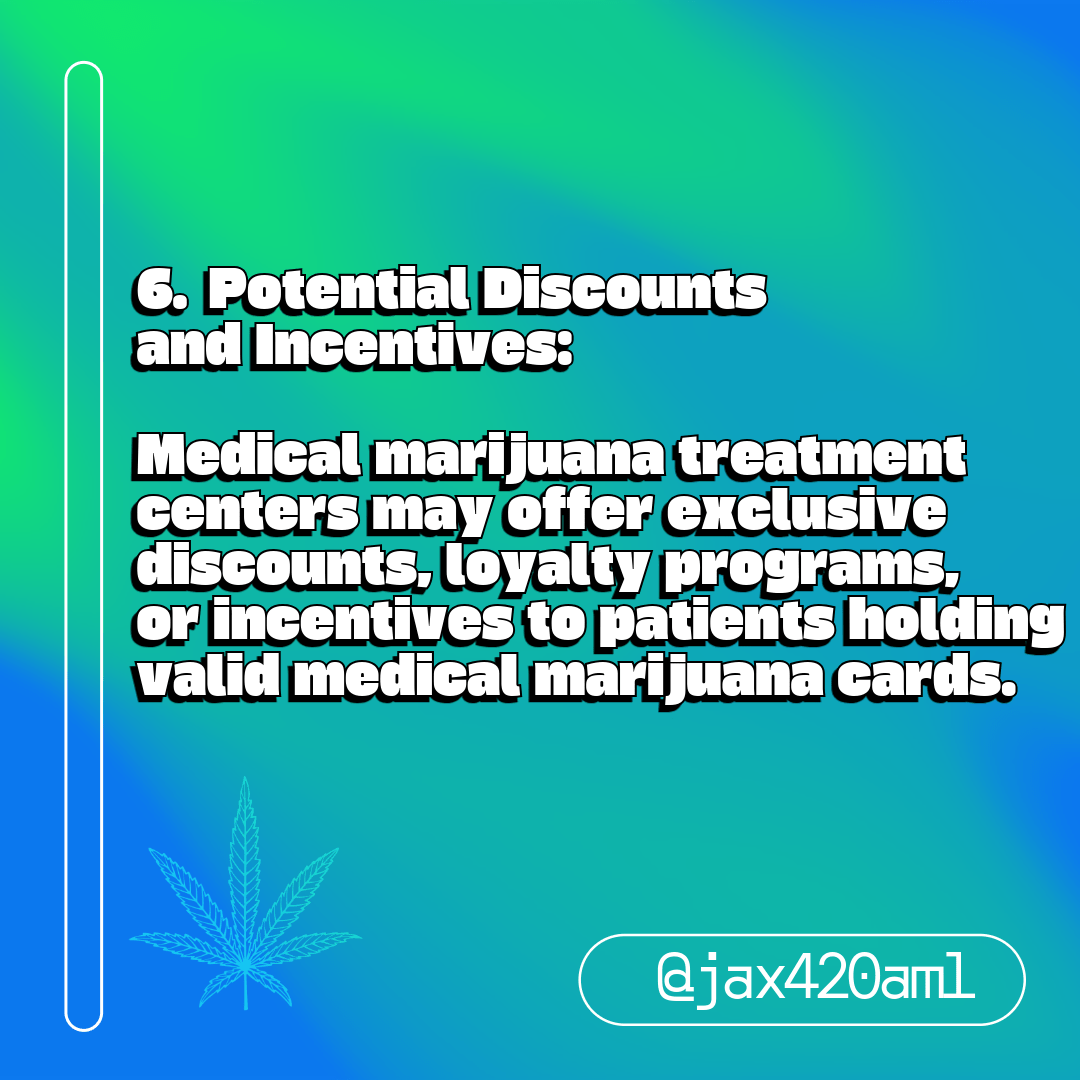
  • Tax Exemptions: While recreational marijuana products may be subject to excise taxes and higher costs, medical marijuana remains exempt from taxation in Florida, potentially offering significant cost savings for patients.
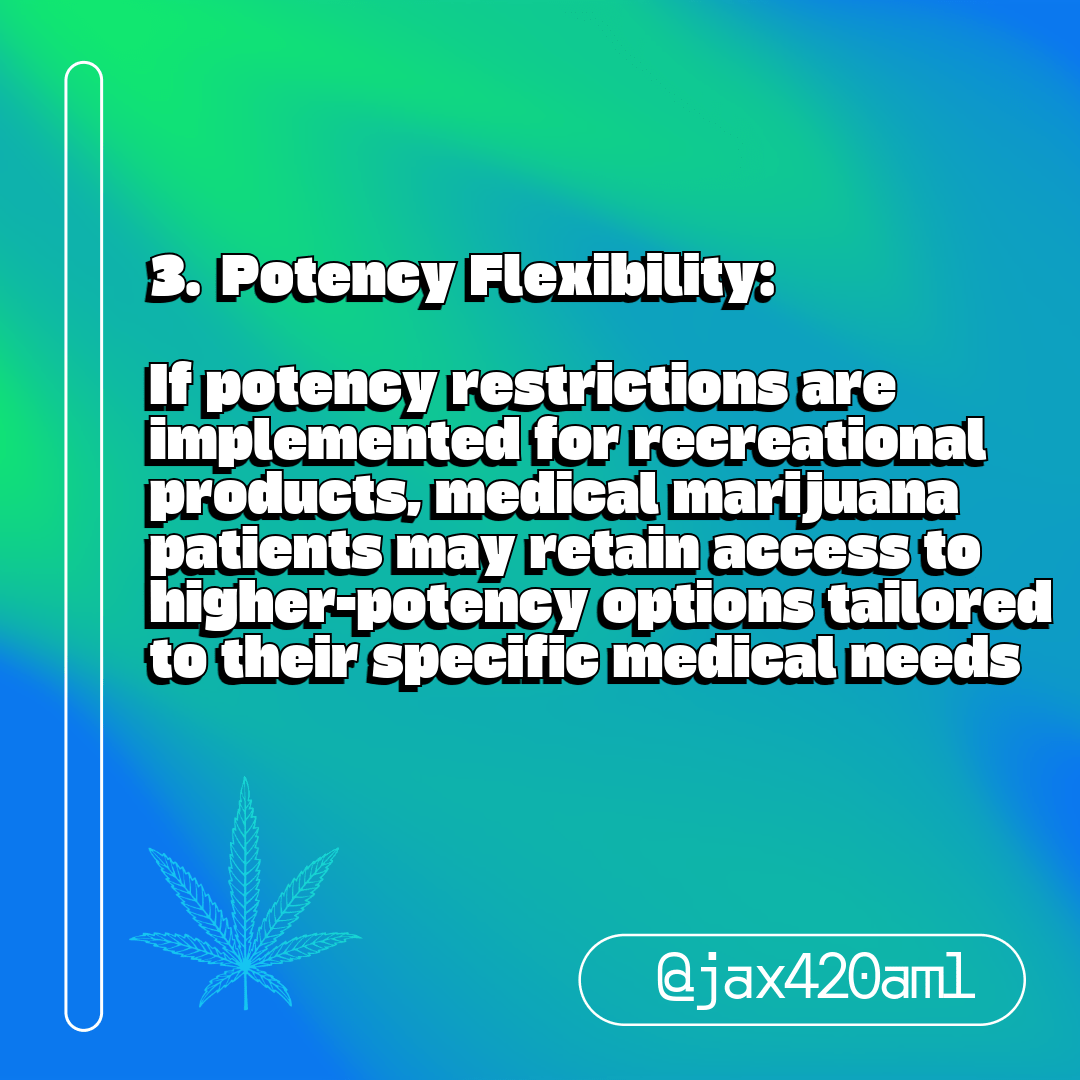
  • Potency Flexibility: If potency restrictions are implemented for recreational products, medical marijuana patients may retain access to higher-potency options tailored to their specific medical needs.
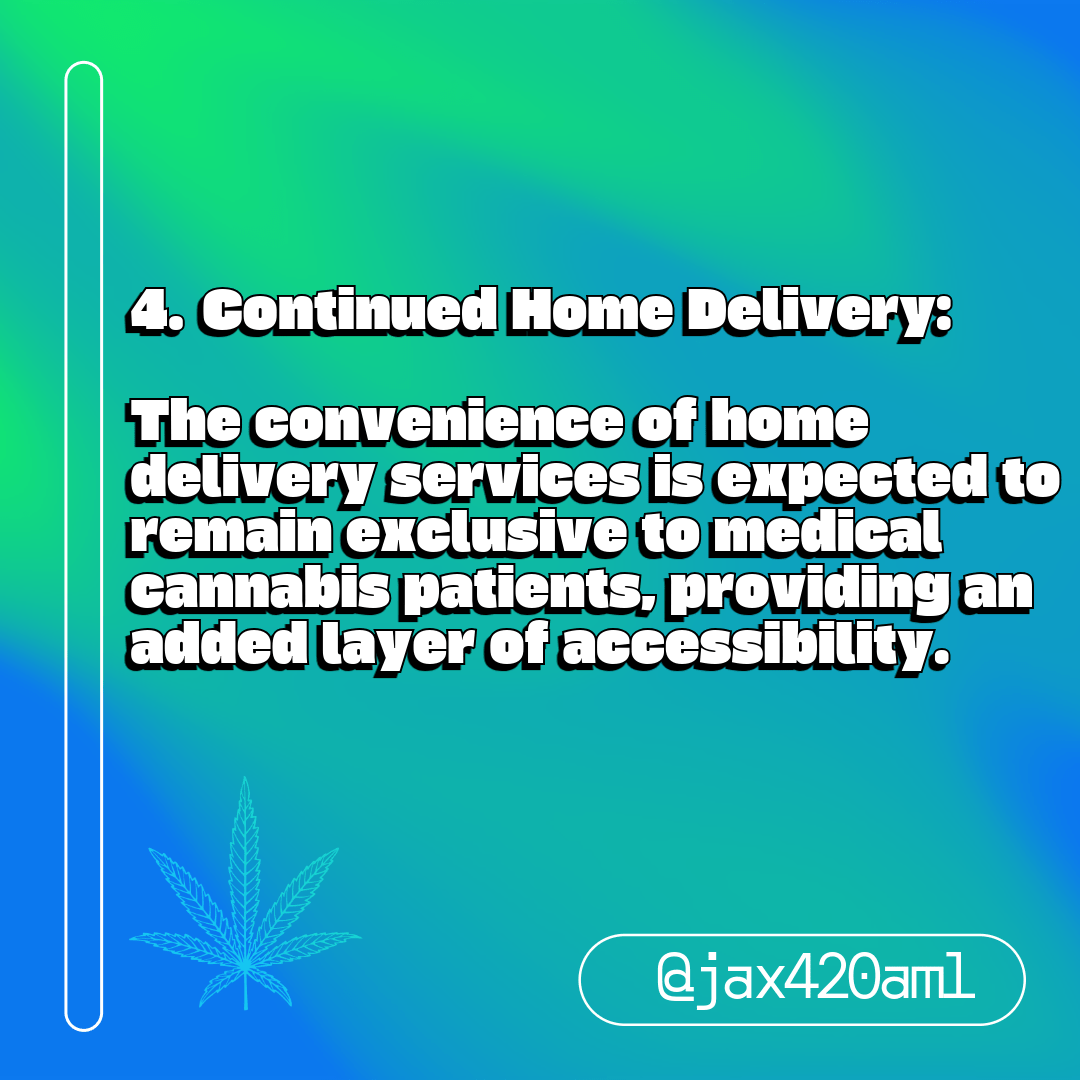
  • Continued Home Delivery: The convenience of home delivery services is expected to remain exclusive to medical cannabis patients, providing an added layer of accessibility.
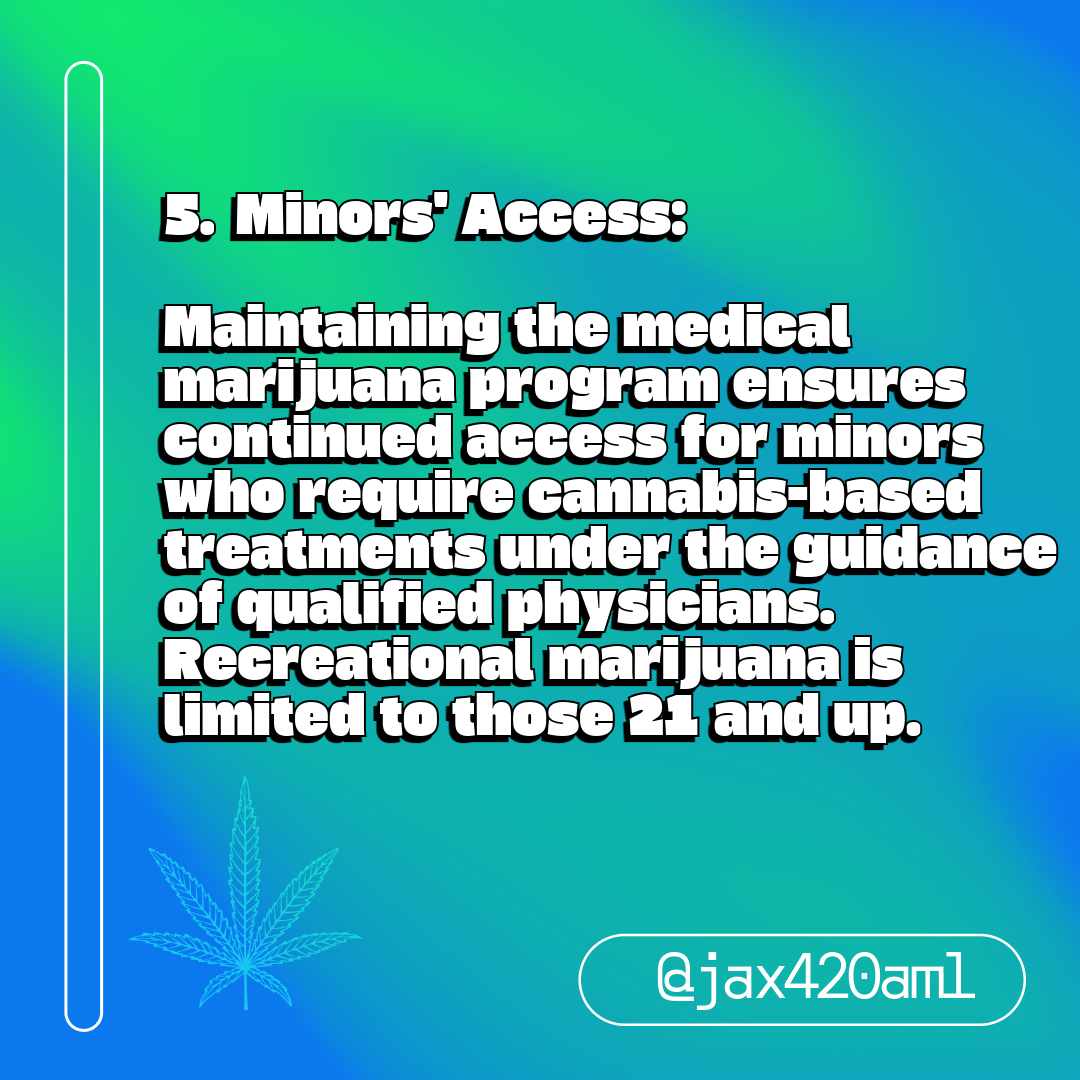
  • Minors’ Access: Maintaining the medical marijuana program ensures continued access for minors who require cannabis-based treatments under the guidance of qualified physicians.
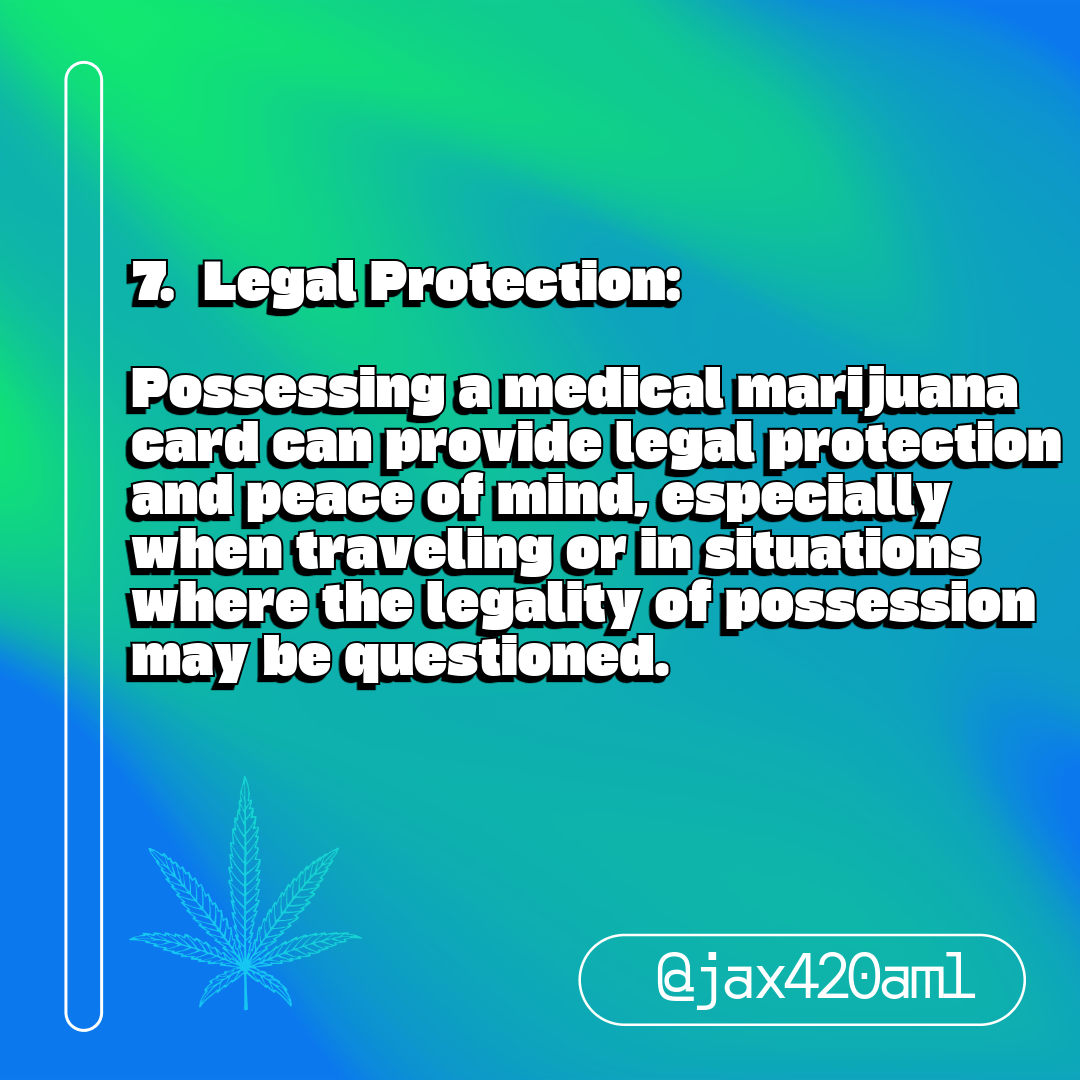
  • Legal Protection: Possessing a medical marijuana card can provide legal protection and peace of mind, especially when traveling or in situations where the legality of possession may be questioned.
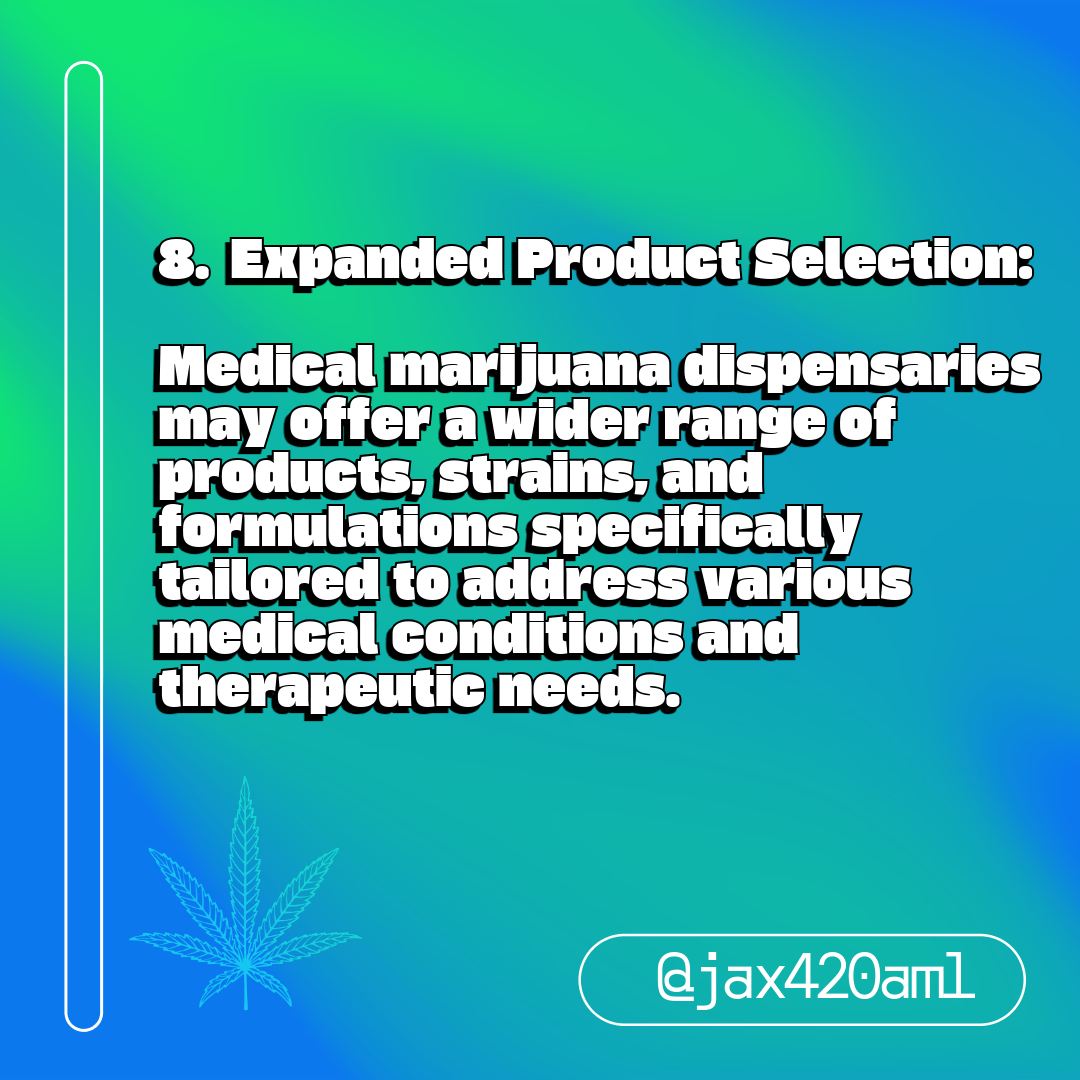
  • Expanded Product Selection: Medical marijuana dispensaries may offer a wider range of products, strains, and formulations specifically tailored to address various medical conditions and therapeutic needs.
Ventajas de mantener la tarjeta médica Introducción
Ventajas de mantener la tarjeta médica Slide 1
Ventajas de mantener la tarjeta médica Slide 2
Ventajas de mantener la tarjeta médica Slide 3
Ventajas de mantener la tarjeta médica Slide 4
Ventajas de mantener la tarjeta médica Slide 5
Ventajas de mantener la tarjeta médica Slide 6
Ventajas de mantener la tarjeta médica Slide 7
Ventajas de mantener la tarjeta médica Slide 8
The Path Forward: Navigating Legalization

As Florida inches closer to the pivotal vote on Amendment 3, industry experts and advocates alike emphasize the importance of responsible and informed decision-making. While the legalization of recreational marijuana could introduce a new era of access and opportunity, preserving the medical marijuana program remains a priority to safeguard the rights and needs of patients.

The state legislature will play a crucial role in crafting regulations and guidelines that strike a balance between recreational and medical use, ensuring that the interests of both communities are protected and fostered. Ongoing dialogue, education, and collaboration among policymakers, healthcare professionals, and industry stakeholders will be essential in shaping a framework that promotes public health, safety, and equitable access.

Ultimately, the decision to retain a medical marijuana card in the event of recreational legalization will be a personal choice for each patient, weighing factors such as cost, accessibility, legal protection, and individual medical needs. By staying informed and engaged in the evolving landscape, Floridians can make informed decisions that align with their values, priorities, and overall well-being.


Providers like Dr. Pulido y Dr. Neal Verma will continue to expand their medical marijuana programs to meet the needs of Florida’s ever-growing medical cannabis market.

Here’s why you should act now:

  • Expert guidance tailored to your specific health needs
  • Access to a wider variety of high-quality, regulated products
  • Potential cost savings compared to recreational use
  • Continued legal protection and priority access

Taking the first step is easy:

  1. Haga clic Aquí. to get started
  2. Choose a convenient time slot
  3. Complete a brief pre-appointment questionnaire
  4. Our office will confirm your appointment via email and phone.


👉 [BOOK YOUR APPOINTMENT NOW!] 👈


¿Preguntas? Nuestro amable personal está aquí para ayudar.
Llame o envíenos un mensaje al 904-586-0041
or email us at main@affordablemarijuanalicense.com

Marihuana-Opioides-1200x721.jpg

La crisis de los opioides ha devastado comunidades en los Estados Unidos, lo que ha provocado un aumento de las sobredosis y las muertes. A medida que los profesionales de la salud y los encargados de la formulación de políticas buscan soluciones, la marihuana médica ha surgido como una alternativa potencial a los opioides para la gestión del dolor. Este remedio natural ha ganado atención por su capacidad para aliviar el dolor crónico, al tiempo que reduce potencialmente el riesgo de sobredosis asociado con el uso de opioides.

La investigación sobre la conexión entre la marihuana médica y el uso de opioides ha revelado resultados prometedores. Estudios sugieren que los estados con programas legales de marihuana médica han visto una disminución de las recetas opioides y muertes relacionadas con opioides. Este artículo explora el creciente cuerpo de evidencias que apoyan el uso de marihuana medicinal como una herramienta para combatir la epidemia de opioides. También examina cómo esta opción de tratamiento alternativo podría ayudar a reducir las tasas de sobredosis y mejorar los resultados de los pacientes en la gestión del dolor.

La crisis opioides y la necesidad de alternativas

USA Crisis de opioides

Comprender la Epidemia Opioides

La crisis opioides ha tenido un efecto devastador en las comunidades de los Estados Unidos. A medida que los profesionales de la salud y los encargados de la formulación de políticas buscan soluciones, la marihuana médica ha ganado la atención como una alternativa potencial a los opioides para la gestión del dolor. Este remedio natural ha demostrado la promesa de aliviar el dolor crónico y reducir potencialmente el riesgo de sobredosis asociado con el uso de opioides.

La Escala de la Epidemia Opioides

La crisis opioides ha alcanzado proporciones alarmantes, con importantes impactos en la salud pública. En Florida, los datos recientes indican que el 4,0% de los individuos mayores de 12 años se dedicaron al uso de opioides no medicinales, mientras que el 0,70% experimentó un trastorno del uso de opioides. La tasa de mortalidad por sobredosis relacionada con los opioides fue de 14,4 muertes por cada 100.000 habitantes en 2016, superando la tasa nacional de 13,3 muertes por cada 100.000 personas.

La Emergencia de la Marihuana Médica como solución potencial

La marihuana médica ha surgido como una alternativa prometedora para la gestión crónica del dolor. Un estudio con 115 pacientes en COT encontró que 75 optaron por mantenerse certificado por cannabis médico debido a un alivio significativo del dolor, lo que lleva a una reducción del uso de opioides.

Opiados contra marihuana

Impacto de Marihuana Médica en el uso de opioides

Reducción de las recetas opioides

Estudios han demostrado que la marihuana medicinal tiene una influencia en la reducción de las recetas opioides. En Florida, datos recientes indica una disminución del uso de opioides no medicinales de 5,2% en 2003-2006 a 4,0% en 2015-2016 entre personas de 12 años y mayores. Esta tendencia sugiere que la disponibilidad de marihuana medicinal puede contribuir a una reducción del uso indebido de opioides.

Disminución de la dependencia de opioides

La introducción del cannabis medicinal ha ocasionado una disminución de la dependencia de los opioides. Un estudio en el que participaron 115 pacientes en terapia crónica de opioides (COT) encontró que 75 optaron por permanecer certificados por cannabis médico debido a un alivio significativo del dolor. Esto dio lugar a una reducción sustancial del uso de opioides, con una disminución promedio del 67,1% en los equivalentes diarios de morfina miligramos (MME) en el primer seguimiento, de 49,9 a 16,4 MME.

Mujer en una botella

Tasas inferiores de sobredosis relacionados con los opioides

La implementación de programas de marihuana médica se ha asociado con tasas más bajas de sobredosis relacionados con opioides. En Florida, la tasa de mortalidad por sobredosis relacionada con los opioides fue de 14,4 muertes por cada 100.000 en 2016, que fue mayor que la tasa nacional. Sin embargo, la introducción del cannabis medicinal como opción de tratamiento alternativo tiene el potencial de ayudar a reducir estos números con el tiempo.

Conclusion

La marihuana médica ha demostrado resultados prometedores en la lucha contra la crisis de los opioides. Su capacidad para manejar el dolor crónico eficazmente al reducir el uso y la dependencia de los opioides ofrece un rayo de esperanza en la lucha contra el abuso de opioides. La disminución de las recetas opioides y las tasas más bajas de muertes por sobredosis en estados con programas legales de cannabis ponen de relieve el potencial de esta alternativa natural para hacer una diferencia real en la salud pública.

A medida que la investigación continúa apoyando los beneficios de la marihuana médica en la gestión del dolor, es crucial considerar su implementación más amplia en las estrategias sanitarias. Los resultados positivos observados hasta ahora sugieren que el cannabis medicinal podría desempeñar un papel clave en la lucha contra la epidemia de opioides y salvar vidas.

Entra Licencia de marihuana asequible hoy para ver cómo el cannabis medicinal puede beneficiar su vida! Al explorar esta opción de tratamiento alternativo, podemos crear un enfoque más seguro y eficaz para la gestión del dolor y reducir el impacto devastador de la adicción al opioides en individuos y comunidades.


florida_mmur_update.jpg

Lo que necesitas saber

Usted puede haber notado un email del Departamento de Salud de la Florida en relación con una actualización del registro de uso médico de marihuana durante el fin de semana. No temas, estamos aquí para descifrarlo para ti.

En primer lugar, esta nueva regulación ha actualizado las cantidades diarias de dosificación asignadas para cada ruta. Antes de esta regulación, los médicos pueden asignar hasta 400 mg de THC al día por ruta basándose en las necesidades de su paciente. Ahora, cada ruta tiene una dosis máxima diferente por día. Además, los miligramos agregados asignados no pueden exceder los 24.500 mg de THC por recomendación de 70 días. Su cannabis de bajo consumo no se verá afectado por esta nueva regla. Debido a este nuevo límite no recibirás la misma cantidad de miligramos por ruta que estás acostumbrado. De hecho, cada ruta (aparte de la Marihuana Smokable) contendrá diferentes límites máximos:


© 2025 Licencia de marihuana asequible. Todos los derechos reservados.

EspañolesEspañolEspañol