Proyecto de Ley Senatorial de Florida 776 Explicado: Propuesta de Cultivación casera para 2026
Proyecto de Ley Senatorial de Florida 776 Explicado: Propuesta de Cultivación casera para 2026
The 2026 Florida Senate Bill 776 is gaining momentum as legislators are engaging in renewed discussion on issues concerning patient access and regulated care. As such, there is a growing interest among patients in knowing more about the substance of Senate Bill 776, its current status, and its potential implications for the future. It is critical for people to be well-informed, particularly since the bill is currently pending legislation.
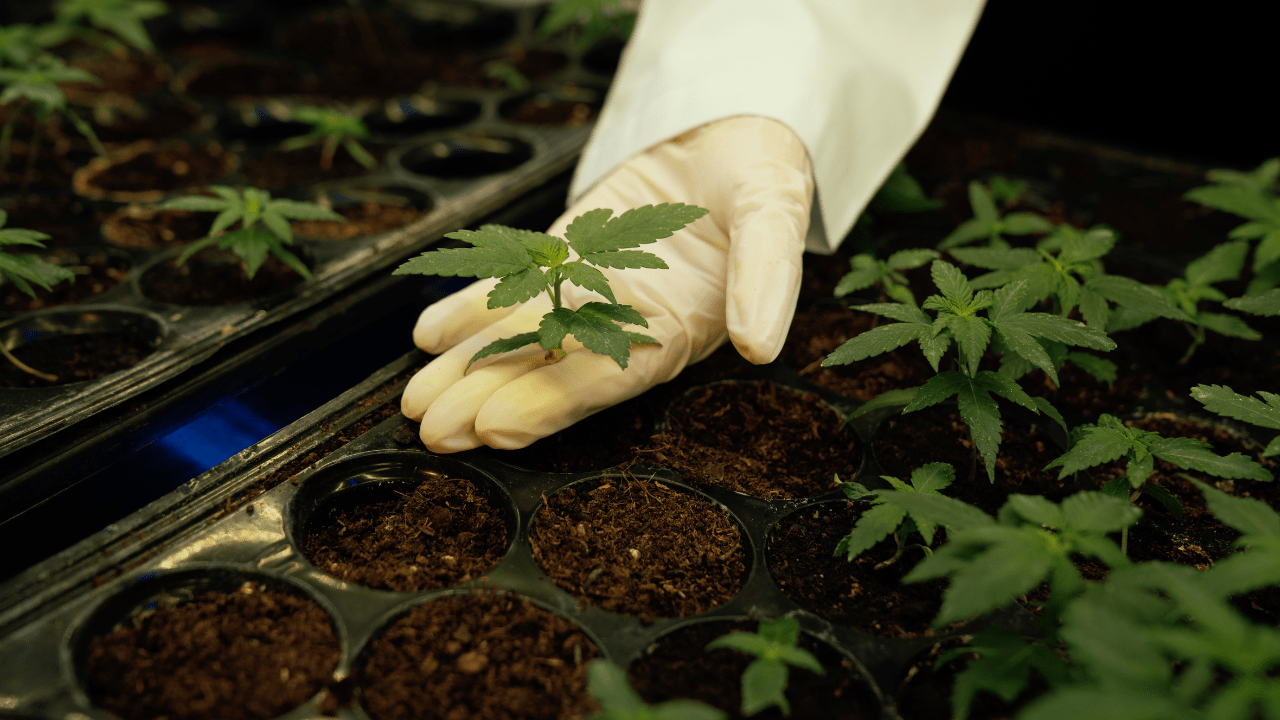
The 2026 Florida Senate Bill 776 is a broad bill introduced in the 2026 Florida legislature that suggests limited cultivation at home for some selected patients. The bill is sponsored by Senator Smith, and as of December 16, 2025, the bill is referred to the Senate Health Policy Committee, the Appropriations Committee on Health and Human Services, and the Fiscal Policy Committee. Currently, the bill is yet to be passed into law.
Senate Bill 776, if enacted, will benefit only those patients who qualify for the use of medical marijuana and must be 21 years old or older. This initiative will not cover all the citizens and will not change the present criteria for qualifying as a patient.
The bill would permit those qualified to grow up to six flowering plants for their own usage. It would not permit commercial activities since growing beyond these specified parameters would not be allowed. In this way, there will be continued control on the plant.
Additionally, Senate Bill 776 would specify how patients can obtain seeds and clones of marijuana. Under the new law, if the bill is passed, they would only be allowed to acquire such seeds from medical marijuana treatment centers in the state of Florida.
This bill goes on to define that such usage will strictly be for personal use within the patient’s own place of residency. The bill does not permit public usage nor usage beyond the scope of defined limitations. All current criteria and obligations will still be enforced.
Some things must be understood about Senate Bill 776. This bill does not legalize any form of recreational use. Patient qualifications will still need to be met before medical marijuana can be legally obtained. Legislation as such does not currently exist as this bill has yet to pass.
At this point, the last update regarding the status of Senate Bill 776 is dated December 16, 2025. On that day, the bill was sent to the committees of the Senate for consideration. There are no committee votes nor floor votes yet. In case it passes and gets signed, the effective date will be July 1, 2026. Thus far, nothing has changed legally.
Aside from the specifics of the policy proposal itself, Senate Bill 776 marks an important change toward discussing issues of patient accessibility, regulation, and accountability. Even if it still hasn’t been decided upon yet, it serves as a way to discuss these issues thoughtfully and responsibly.
Patient education at AML is what we are all about. We work hard to ensure our patients understand the current laws, know what’s happening politically, and what options are available to them. In 2026, we are continuing to provide accurate and factual information.
¿Puedo perder mi trabajo por tener una tarjeta médica de marihuana en Florida?
Getting a card for medicinal use of marijuana in Florida is often considered a positive move towards improving health conditions. However, many people hesitate to proceed because of concerns about their job position and drug tests. Fear of losing the job or failing the test is the key factor influencing patients’ decisions not to start treatment with marijuana. In this article, we will discuss the issues of using medical marijuana at work.
Understanding the Legislation Regarding the Use of Medical Marijuana at Work:
Even if marijuana use for medicinal purposes is legalized by state legislation, this protection only applies to specific cases. Thus, you are allowed to consume cannabis if recommended by your doctor; however, your employer is not required to change his policies regarding drug use.
In practice, this means that even if you possess a medical marijuana license, your employer will be able to maintain his zero-tolerance policy regardless. It is particularly true for the industries following the federal regulations, including aviation, transportation, and any governmental agencies. Since marijuana is still classified as an illegal substance, testing and enforcement must continue as usual.
However, if you work for a privately owned firm, its policies will dictate whether marijuana consumption is tolerated in your case.
Privacy and Confidentiality:
A prevalent question revolves around how your employer will react if they discover that you possess an MMJ card. The simple answer to this question is that they won’t know unless you tell them. The confidentiality of patient records is assured by HIPAA laws. It implies that your patient information will be kept secret, including the details of your MMJ recommendation. Unless you decide to disclose this information, your employer won’t have access to it. Patient confidentiality is taken seriously at AML. All consultations and recommendations are kept private.
Responsible Usage and Professionalism:
The possession of your medical cannabis prescription carries with it obligations. You should adhere strictly to your doctor’s dosing guidelines and refrain from taking cannabis at work or immediately prior to going to work. Regardless of the legality of your treatment, getting high on the job is never recommended.
Here at AML, our goal is not only to help you obtain your certification but also to assist you in making responsible choices. We’ll have our doctor explain everything to you regarding the balance between your treatment and your daily activities.
In Florida, having a medical marijuana license does not mean that you are jeopardizing your employment, but at the same time, it does not guarantee any kind of protection either. Knowing about your workplace policy, what your rights are, and choosing to communicate effectively can ensure that you make the right decisions for yourself.
For those who are uncertain about incorporating medical marijuana into their lives, we have solutions for you too. Our doctor can provide confidential and non-judgmental consultation.
Florida se mueve a exigir tasas de registro MMJ para veteranos
1
El programa de marihuana medicinal de Florida pronto puede ser más fácil y más asequible, especialmente para los veteranos, gracias a la Casa Bill 555 (HB 555), una nueva propuesta que se mueve actualmente a través de la legislatura estatal.
Qué HB 555 cambiaría
ID Tarjetas Last Longer: En lugar de renovar su tarjeta MMJ cada año, HB 555 cambiaría a cada dos años. Menos papeleo, menos honorarios y más paz mental.
Tarjetas de identificación gratuitas para Veteranos: Si usted es un veterano con una descarga honorable, esta cuenta renunciaría a sus honorarios por obtener, renovar o reemplazar su tarjeta de identificación MMJ.
¿Cuándo empezarían estos cambios?
2
Si se aprueba, el HB 555 entraría en vigor el 1 de julio de 2025.
¿Por qué?
Para los pacientes de Florida, especialmente veteranos, este proyecto de ley es un paso adelante. Significa menos obstáculos, menores costos y mejor acceso al cuidado que necesitas.
Mantendremos un ojo en HB 555 y le actualizaremos si pasa oficialmente. Mientras tanto, estamos aquí para ayudarle en cada paso del camino, ya sea que sea un paciente de primera vez o renovar su tarjeta.
3
Estamos aquí para apoyarte
En AML, creemos que cada paciente merece atención asequible y compasiva, especialmente aquellos que han servido. Seguiremos vigilando este proyecto de ley y actualizaremos nuestra comunidad a medida que avance.
Más información
Curioso para aprender más sobre el cannabis medicinal o para comenzar su tratamiento de marihuana medicinal? Llame al equipo cualificado de la Clínica de Marihuana Asequible (904) 586-0041 o envíe una llamada aplicación corta ¡Hoy!
The Current State of Medical Marijuana in Florida: Amendment 3 and Its Role in Florida’s Medical Marijuana Landscape
The landscape of medical marijuana in Florida is undergoing significant changes, with Amendment 3 at the forefront of this transformation. As the state with the largest medical marijuana patient registry in the United States, Florida stands at a crucial juncture in its approach to cannabis legislation. The proposed amendment has sparked widespread debate and has the potential to reshape the state’s policies on medical and recreational marijuana use.
Current State of Medical Marijuana in Florida
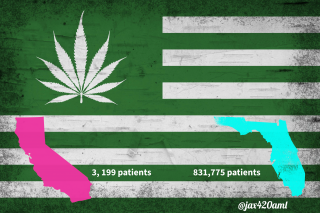
Florida has emerged as a significant player in the medical marijuana landscape, boasting the largest patient registry in the United States. The state’s medical cannabis program has experienced substantial growth since its inception, with over 800,000 registered patients as of 2024. This remarkable expansion underscores the increasing acceptance and utilization of medical marijuana in the Sunshine State.
The size of Florida’s medical marijuana patient registry is a testament to the program’s success. With nearly 1.5% of the state’s population enrolled, Florida has surpassed California to become the largest medical cannabis market in the country. This growth can be attributed to the state’s expanding list of qualifying conditions and the increasing awareness of medical marijuana’s potential benefits.
Qualifying Conditions
Florida’s list of qualifying conditions for medical marijuana use is comprehensive. It includes cancer, epilepsy, glaucoma, HIV/AIDS, PTSD, ALS, Crohn’s disease, Parkinson’s disease, and multiple sclerosis. Additionally, physicians have the discretion to recommend medical marijuana for other debilitating conditions they believe could benefit from cannabis treatment. This flexibility has allowed more patients to access medical marijuana, contributing to the program’s rapid expansion.
Dispensary System
The state’s dispensary system has grown alongside the patient registry. As of 2024, there are 22 licensed Medical Marijuana Treatment Centers (MMTCs) operating in Florida, with more licenses expected to be awarded. These MMTCs are vertically integrated, meaning they control all aspects of production from cultivation to retail sales. The number of dispensaries has increased significantly, with some companies operating over 100 locations statewide.
Despite the program’s success, challenges remain. The cost of medical marijuana can be prohibitive for some patients, as it is not covered by insurance. Additionally, while the number of dispensaries has grown, access can still be limited in certain areas of the state. As Florida’s medical marijuana program continues to evolve, addressing these issues will be crucial to ensuring equitable access for all eligible patients.
Amendment 3: Proposed Changes to Florida’s Cannabis Laws
Key Provisions
Amendment 3 aims to legalize recreational marijuana use for adults 21 and older in Florida. If passed, it would allow Floridians to possess, purchase, and use marijuana products without medical authorization. This change would also apply to tourists of legal age visiting the state.
The amendment would permit adults to possess, purchase, or use marijuana products and accessories for non-medical personal consumption through smoking, ingestion, or other methods. This provision represents a significant shift from the current medical-only model in Florida.
Potential Impact on Medical Program
The proposed amendment could have a substantial impact on Florida’s existing medical marijuana program, which is already the largest in the United States. With over 800,000 registered patients, Florida’s medical cannabis market is projected to grow from $1.75 billion in 2023 to $2.4 billion by 2026.
If Amendment 3 passes, it could potentially expand the market even further. However, it may also lead to changes in the current medical program structure. Some medical patients might transition to the recreational market, potentially affecting patient numbers and sales in the medical sector.
The amendment’s passage could also influence the operations of existing Medical Marijuana Treatment Centers (MMTCs). These vertically integrated companies might need to adapt their business models to serve both medical and recreational markets.
While the amendment aims to legalize recreational use, it’s important to note that it faces opposition. The Florida attorney general, along with other groups, is attempting to block the effort, calling it unconstitutional and accusing the state’s largest MMJ operator of trying to establish a monopoly on the adult-use market.
Despite these challenges, many cannabis companies are expanding their presence in Florida, anticipating potential adult-use legalization. This expansion includes opening new dispensaries and diversifying product offerings, demonstrating the industry’s optimism about the amendment’s possible passage.
Comparing Florida’s Medical Marijuana Program to Other States
Florida’s medical marijuana program has become one of the largest in the United States, with over 800,000 registered patients. This significant patient base sets Florida apart from many other states with medical cannabis programs.
Patient Numbers
Florida boasts the largest medical marijuana patient registry in the country, surpassing even California in terms of registered users. With nearly 1.5% of the state’s population enrolled, Florida has established itself as a leader in medical cannabis adoption. This rapid growth can be attributed to the state’s expanding list of qualifying conditions and increasing awareness of medical marijuana’s potential benefits.
Accessibility
While Florida has seen substantial growth in its medical marijuana program, accessibility remains a challenge in some areas. The state has 22 licensed Medical Marijuana Treatment Centers (MMTCs) operating, with more licenses expected to be awarded. These MMTCs are vertically integrated, controlling all aspects of production from cultivation to retail sales.
However, compared to some other states, Florida’s dispensary system is still developing. For example, some companies in Florida operate over 100 locations statewide, but access can be limited in certain regions. This contrasts with states like California or Colorado, which have more established and widespread dispensary networks.
Product Variety
Florida’s medical marijuana program offers a range of products to patients, including oils, edibles, and flower. However, the variety of products available may be more limited compared to some other states with longer-established programs. For instance, while Florida introduced edibles to its product lineup in August of 2020, states like California and Colorado have had a wider array of edible options for years.
Despite these challenges, Florida’s medical marijuana market is projected to grow significantly. The MJBiz Factbook estimates that Florida’s medical cannabis market will expand from $1.75 billion in 2023 to $2.4 billion by 2026, indicating continued growth and development in the state’s program.
As Florida’s medical marijuana program continues to evolve, it’s likely to see further expansion in patient numbers, accessibility, and product variety, potentially bringing it more in line with or even surpassing other well-established state programs.
Conclusion
Florida’s medical marijuana program has made significant strides, establishing itself as a leader in the field with the largest patient registry in the United States. The proposed Amendment 3 has the potential to cause a revolution in the state’s cannabis landscape, potentially expanding access and reshaping the existing medical program. As the debate continues, it’s clear that Florida’s approach to medical marijuana will have a lasting impact on patients, businesses, and the broader cannabis industry.
Looking ahead, the future of medical marijuana in Florida seems promising, with projected market growth and ongoing discussions about expanding access. To consider the potential benefits of medical marijuana, eligible individuals may want to explore their options. Make an appointment to get your medical marijuana card with Licencia de marihuana asequible ¡Hoy!