2.png

Big Federal Update: What the New Rescheduling Means in Florida
1

An update from the federal government was made in April 2026, and as one sees the amount of news headlines regarding this issue, it may seem that things have been changed dramatically, however, it is not entirely accurate. The actual thing that happened is something quite different, and although it does not affect the patients living in Florida directly, the matter remains very significant.

In the recent decision of the federal government, several medical products are included into Schedule III and, therefore, rescheduled, if they are FDA-approved or state-issued. As you can see, the reason why this decision affects Florida directly is because it uses a medical system with state-licensed physicians and approved patients and dispensaries.

So, what it basically means is that this type of approach, which has been used in Florida for a long time now, is now officially recognized on a federal level. There were no changes in the procedure whatsoever; all you do is go through the same stages, including approval by physicians and state.

In terms of patient benefits, this marks a step towards gaining increased legitimacy in the realm of medicine. There will be greater opportunities for research, data collection, and acceptance in the field of healthcare. Moreover, it cements the fact that programs such as Florida’s are no longer experimental; they are a permanent fixture in the medical sphere.

However, it is important to delineate where things remain the same. First, it must be stressed that recreational use of cannabis continues to be illegal at the federal level. Second, not all products have been rescheduled. Full legalization has yet to occur. The reclassification affects solely medical cannabis and is not a sudden shift.

2

Finally, there is still a major decision looming in the future. The federal court set the date for hearing on June 29, 2026. The issue to be discussed is whether marijuana should be shifted from Schedule I to Schedule III.

This time for people in Florida means much more clarity and certainty. It is a recognition of the structure that has been built, and things to come with medical access mean more support and comprehension.

For those considering an evaluation, this is a perfect sign that medical practice in this niche will continue to grow and change. For residents of Jacksonville, our team can assist in your quest for evaluation in a patient-friendly manner.
1-1200x675.png

Florida Senate Bill 776 Explained: Home Cultivation Proposal for 2026

1

Florida Senate Bill 776 Explained: Home Cultivation Proposal for 2026

The 2026 Florida Senate Bill 776 is gaining momentum as legislators are engaging in renewed discussion on issues concerning patient access and regulated care. As such, there is a growing interest among patients in knowing more about the substance of Senate Bill 776, its current status, and its potential implications for the future. It is critical for people to be well-informed, particularly since the bill is currently pending legislation.

The 2026 Florida Senate Bill 776 is a broad bill introduced in the 2026 Florida legislature that suggests limited cultivation at home for some selected patients. The bill is sponsored by Senator Smith, and as of December 16, 2025, the bill is referred to the Senate Health Policy Committee, the Appropriations Committee on Health and Human Services, and the Fiscal Policy Committee. Currently, the bill is yet to be passed into law.

Senate Bill 776, if enacted, will benefit only those patients who qualify for the use of medical marijuana and must be 21 years old or older. This initiative will not cover all the citizens and will not change the present criteria for qualifying as a patient.

The bill would permit those qualified to grow up to six flowering plants for their own usage. It would not permit commercial activities since growing beyond these specified parameters would not be allowed. In this way, there will be continued control on the plant.

Additionally, Senate Bill 776 would specify how patients can obtain seeds and clones of marijuana. Under the new law, if the bill is passed, they would only be allowed to acquire such seeds from medical marijuana treatment centers in the state of Florida.

This bill goes on to define that such usage will strictly be for personal use within the patient’s own place of residency. The bill does not permit public usage nor usage beyond the scope of defined limitations. All current criteria and obligations will still be enforced.

Some things must be understood about Senate Bill 776. This bill does not legalize any form of recreational use. Patient qualifications will still need to be met before medical marijuana can be legally obtained. Legislation as such does not currently exist as this bill has yet to pass.

At this point, the last update regarding the status of Senate Bill 776 is dated December 16, 2025. On that day, the bill was sent to the committees of the Senate for consideration. There are no committee votes nor floor votes yet. In case it passes and gets signed, the effective date will be July 1, 2026. Thus far, nothing has changed legally.

2

Aside from the specifics of the policy proposal itself, Senate Bill 776 marks an important change toward discussing issues of patient accessibility, regulation, and accountability. Even if it still hasn’t been decided upon yet, it serves as a way to discuss these issues thoughtfully and responsibly.

Patient education at AML is what we are all about. We work hard to ensure our patients understand the current laws, know what’s happening politically, and what options are available to them. In 2026, we are continuing to provide accurate and factual information.

3


1-1200x685.png

Holiday Travel and Your State Certification: What to Know Before You Go

1

Holiday travel brings excitement, busy schedules, and plenty of planning. But if you’re certified in Florida, traveling out of state comes with specific rules you should understand before you head to the airport or hit the road. Florida’s certification only applies within the state of Florida — which means the protections that apply to you here do not carry over to other states.

The first thing to know is that Florida’s state certification does not give you legal protection outside of Florida. Every state has its own laws, and your Florida card is not valid once you cross state lines. Some states have their own programs, some allow temporary patient registration, and others do not have a program at all. Because of this, it’s important to understand that your certification is state-specific and does not function like a nationwide credential.

2

It is also important to know that federal law prohibits transporting cannabis across state lines, even between two legal states. This applies to air travel and car travel, and it applies whether the trip is short, long, casual, or holiday-related. Even if you’re traveling between two states that both have medical or adult-use programs, crossing the border with cannabis is still illegal under federal law. The safest and most compliant approach is to avoid transporting anything regulated between states.

Another key point is air travel. Airports operate under federal jurisdiction, and the TSA follows federal law. Their focus is security, not enforcement, but if something is found during screening, they defer to local law enforcement. Because federal law prohibits transport, carrying cannabis through an airport — checked or carry-on — puts you at risk. Even if you’re flying from a Florida airport to another state with similar laws, the rules don’t change.

If you’re planning to travel for several days, this is where preparing early becomes helpful. Review your certification dates before leaving Florida, so you’re not due for renewal in the middle of your trip. If your renewal window falls near your travel dates, scheduling beforehand gives you the peace of mind of knowing everything is up to date. It also keeps you from having to complete paperwork or appointments from out of state, which may not be possible depending on your location.

3

It’s also smart to make sure your Florida ID has your current address and that you have easy access to your appointment confirmations or patient portal. You won’t be able to use your certification once you leave Florida, but keeping your documents updated prevents issues when you return.

Holiday plans can be unpredictable, but understanding the legal boundaries of your state certification helps you avoid complications and travel with clarity. If you’re unsure about your renewal date, need guidance before your trip, or want to double-check your eligibility, our team is always here to help you prepare before you leave the state.


1-1200x800.jpg

Can I Lose My Job for Having a Medical Marijuana Card in Florida?

1

Getting a card for medicinal use of marijuana in Florida is often considered a positive move towards improving health conditions. However, many people hesitate to proceed because of concerns about their job position and drug tests. Fear of losing the job or failing the test is the key factor influencing patients’ decisions not to start treatment with marijuana. In this article, we will discuss the issues of using medical marijuana at work.

Understanding the Legislation Regarding the Use of Medical Marijuana at Work:

Even if marijuana use for medicinal purposes is legalized by state legislation, this protection only applies to specific cases. Thus, you are allowed to consume cannabis if recommended by your doctor; however, your employer is not required to change his policies regarding drug use.

In practice, this means that even if you possess a medical marijuana license, your employer will be able to maintain his zero-tolerance policy regardless. It is particularly true for the industries following the federal regulations, including aviation, transportation, and any governmental agencies. Since marijuana is still classified as an illegal substance, testing and enforcement must continue as usual.

However, if you work for a privately owned firm, its policies will dictate whether marijuana consumption is tolerated in your case.

Privacy and Confidentiality:

A prevalent question revolves around how your employer will react if they discover that you possess an MMJ card. The simple answer to this question is that they won’t know unless you tell them. The confidentiality of patient records is assured by HIPAA laws. It implies that your patient information will be kept secret, including the details of your MMJ recommendation. Unless you decide to disclose this information, your employer won’t have access to it. Patient confidentiality is taken seriously at AML. All consultations and recommendations are kept private.

Responsible Usage and Professionalism:

The possession of your medical cannabis prescription carries with it obligations. You should adhere strictly to your doctor’s dosing guidelines and refrain from taking cannabis at work or immediately prior to going to work. Regardless of the legality of your treatment, getting high on the job is never recommended.

Here at AML, our goal is not only to help you obtain your certification but also to assist you in making responsible choices. We’ll have our doctor explain everything to you regarding the balance between your treatment and your daily activities.

In Florida, having a medical marijuana license does not mean that you are jeopardizing your employment, but at the same time, it does not guarantee any kind of protection either. Knowing about your workplace policy, what your rights are, and choosing to communicate effectively can ensure that you make the right decisions for yourself.

For those who are uncertain about incorporating medical marijuana into their lives, we have solutions for you too. Our doctor can provide confidential and non-judgmental consultation.

2


1-1200x657.png

Florida’s Gun-Rights Victory for Medical Marijuana Patients

1
1

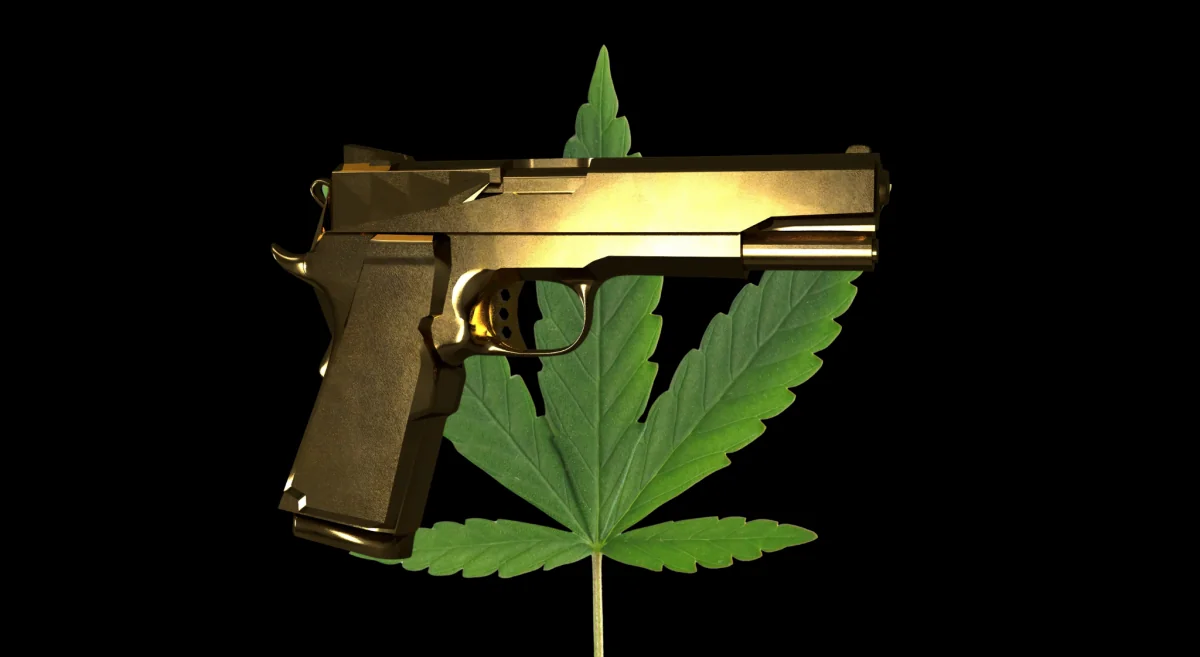
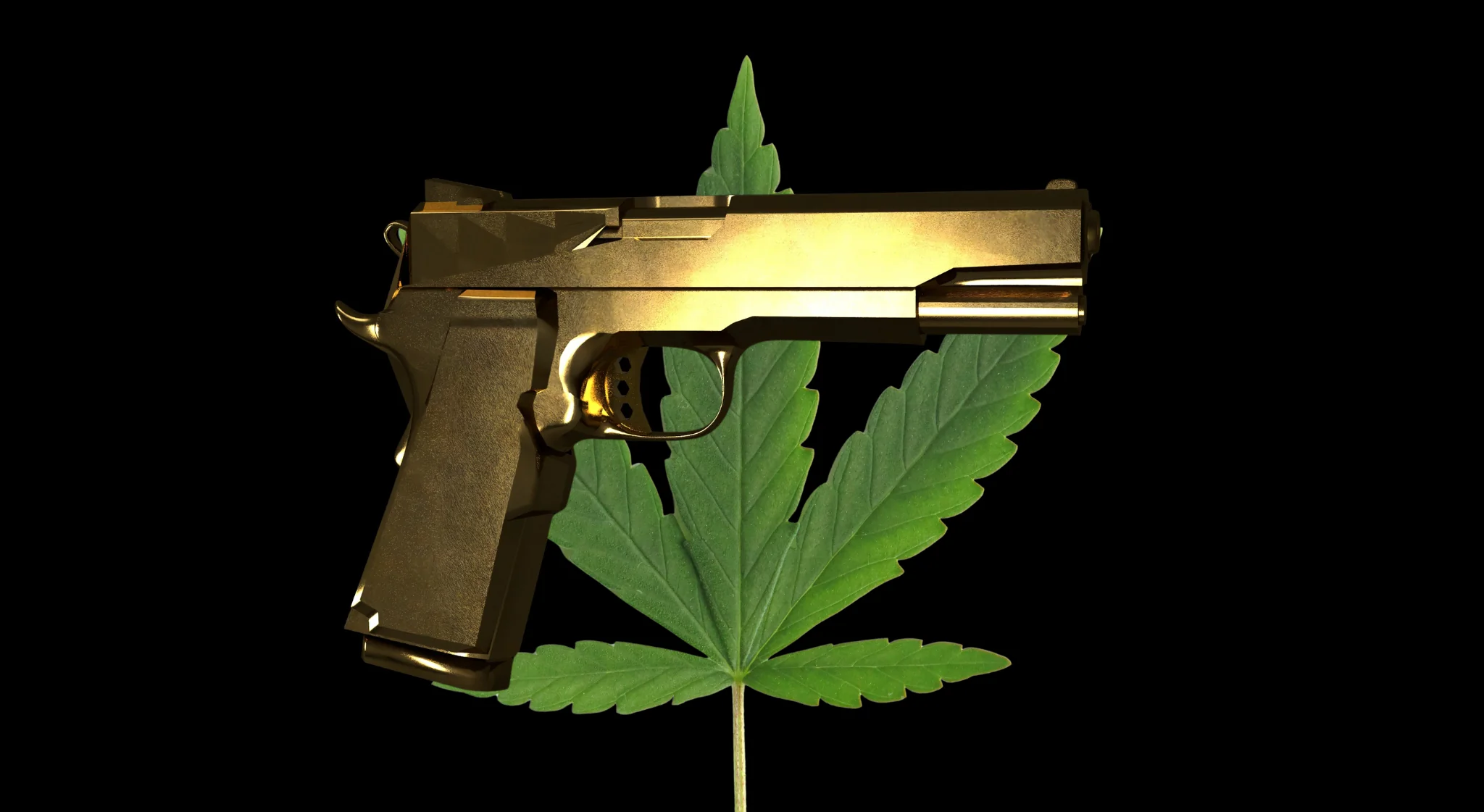
In a landmark decision, the 11th Circuit Court of Appeals has thrown into question the constitutionality of barring medical cannabis patients from owning firearms, a federal policy that, until now, didn’t account for state-sanctioned medical users who pose no credible threat. This ruling marks a turning point in how Second Amendment rights intersect with evolving drug policy.

The Case and Its Plaintiffs

Who’s involved? Two Florida residents registered under the state’s medical marijuana program and a gun owner participating in the same sought to purchase firearms. Joined by former Agriculture Commissioner Nikki Fried, they sued the federal government in 2022 over the blanket ban against marijuana users.

Constitutional Challenge

The plaintiffs argued that their lawful medical use should not render them “dangerous” or akin to felons. The court agreed, at the motion-to-dismiss stage, the government failed to provide enough evidence to uphold the ban, citing no criminal history or danger indicators.

Legal and Historical Foundations

Relying on the Supreme Court’s 2022 Bruen decision, the court underscored that firearm restrictions must align with historical tradition. Here, no compelling historical analogs justify disarming non-violent medical cannabis users.

Broader Implications

This verdict aligns with other recent rulings, such as in Texas, and signals growing judicial discomfort with blanket restrictions in light of evolving legalization policies.
It may set precedent beyond Florida, impacting how states and the federal government regulate firearm ownership among medical marijuana users.

What’s Next?

The case will return to the lower court for further proceedings, and the U.S. Department of Justice may appeal to the Supreme Court.
This ruling reflects an important legal shift: medical cannabis patients, when law-abiding and nonviolent, cannot be summarily disqualified from exercising constitutional gun rights. As the legal landscape continues to evolve, transparency, fair review, and precedent will shape future policy.
Stay informed on Florida’s MMJ laws and discover how they impact patients like you, explore more with AML.


1-1-1200x685.png

Can You Travel with Medical Marijuana in Florida? 

1
1

If you’re a medical marijuana patient in Florida, you might be wondering:
Can I bring my medicine with me when I travel?
It’s a smart question — and the answer depends on where you’re going and how you’re getting there.

Let’s break down the facts so you can stay safe and compliant while on the move.

Flying with Medical Marijuana: Can You Take It on a Plane?

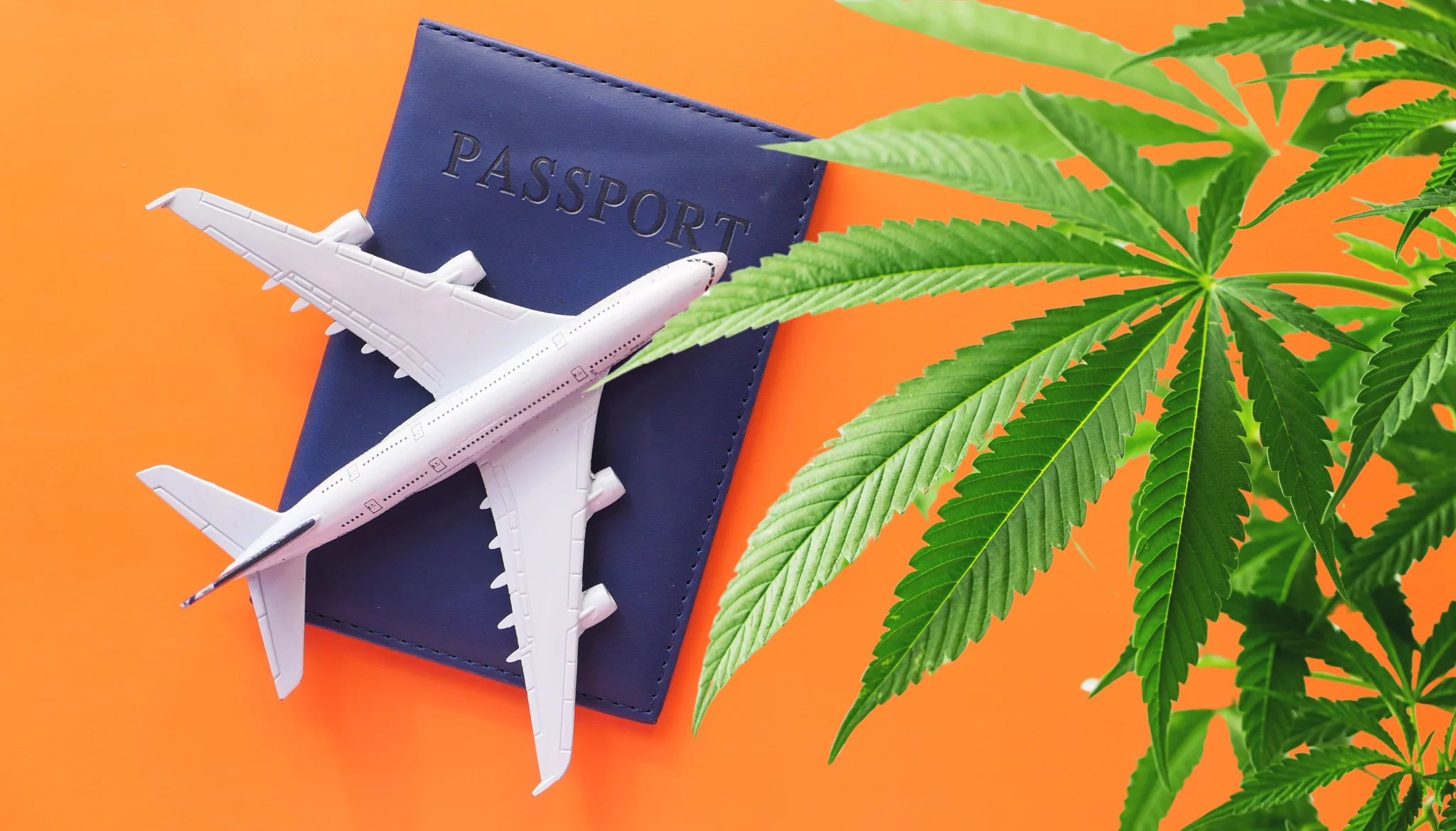
Short answer: No — even with a valid Florida medical marijuana card, it is not legal to carry MMJ onto an airplane.

Why?
Airports and airplanes are regulated by federal law — and marijuana is still classified as a Schedule I controlled substance at the federal level, even for medical use.

What this means: TSA officers may report it to law enforcement, MMJ can be confiscated, and you may face legal consequences (especially when flying out of state), traveling with THC products is always risky.

Driving Within Florida With MMJ

Yes — you can travel by car with your medical marijuana inside Florida, but you must follow strict rules:

Keep products in their original dispensary packaging.

Carry your valid Florida MMJ card with you.

Store it in a secure, out-of-reach location (not the glove box).

Never use MMJ while driving — you can be charged with DUI.

Traveling to Other States

2
2

Even if the state you’re visiting has legal marijuana laws, your Florida MMJ card does not automatically apply there. Some states accept out-of-state MMJ cards (like Oklahoma or Washington D.C.), but most do not. Always check that state’s MMJ reciprocity laws before bringing anything across state lines. It is illegal to cross state borders with medical marijuana, even between two legal states.

Tips for Safe MMJ Travel in Florida

Plan ahead: Refill your prescription before your trip.

Bring only what you legally possess.

Never carry MMJ in federal spaces (airports, national parks, etc.).

While Florida allows you to use and carry medical marijuana within the state, traveling with it — especially by air or across state lines — comes with serious legal risks.

If you’re unsure, ask your provider or contact your dispensary for guidance. When in doubt, leave it behind — your health isn’t worth a federal case.

At AML in Jacksonville, we help patients not just get their card — but understand how to use it safely and legally.

📞 Call us today or schedule your visit online.
📍 Proudly serving Duval County and beyond.


© 2025 Affordable Marijuana License. All rights reserved.

EnglishenEnglishEnglish