1-1200x675.png

Florida Senate Bill 776 Explained: Home Cultivation Proposal for 2026
1

Florida Senate Bill 776 is drawing attention in 2026 as lawmakers revisit conversations around patient access and regulated care. As interest grows, many patients are searching for clear, reliable information about what this proposal includes, where it stands, and what it could mean moving forward. Understanding the facts is essential, especially while the bill remains under review.

Senate Bill 776 is a general bill introduced during the 2026 Florida legislative session that proposes limited home cultivation for certain qualified patients. The bill was filed by Senator Smith and, as of December 16, 2025, was referred to the Senate Health Policy Committee, the Appropriations Committee on Health and Human Services, and the Fiscal Policy Committee. At this time, the bill has not been approved and is not law.

If passed, Senate Bill 776 would apply only to qualified patients who are 21 years of age or older. The proposal would not extend to the general public and would not eliminate existing patient qualification requirements. Access under the bill would remain clearly defined and regulated, maintaining structured eligibility standards.
2

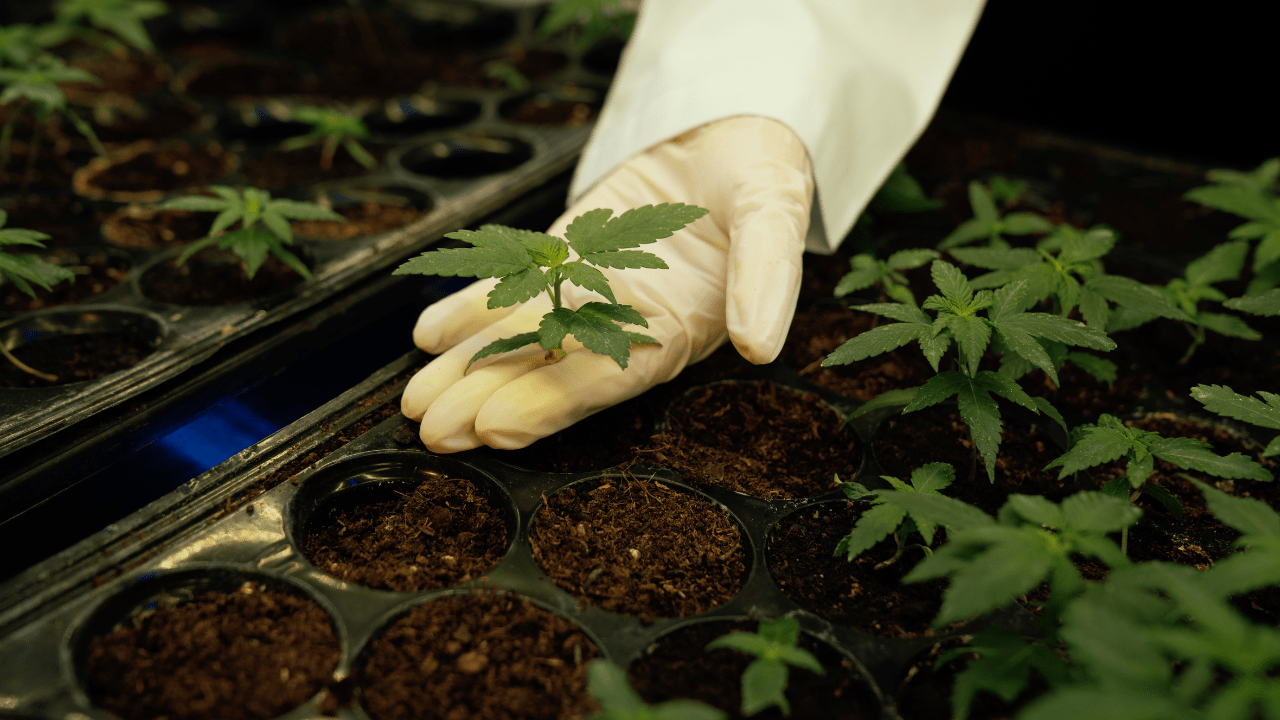
The proposed legislation would allow qualified patients to cultivate up to six flowering plants for personal consumption only. Commercial activity would remain prohibited, meaning selling, distributing, or exceeding the allowed limits would not be permitted. These restrictions are designed to preserve oversight and prevent misuse while maintaining patient-focused access.

Senate Bill 776 also outlines how patients would obtain seeds and clones. If enacted, patients would be authorized to purchase these materials exclusively from licensed medical marijuana treatment centers. This provision ensures that sourcing remains within Florida’s regulated system and prevents unlicensed distribution.

The bill further specifies that any personal consumption of home-cultivated plants would be limited to the qualified patient’s residence and subject to defined legal limitations. It does not authorize public use, expanded locations, or unrestricted activity. All existing standards and responsibilities would continue to apply.

It is important to clarify what Senate Bill 776 does not do. The proposal does not legalize recreational use, does not remove current patient requirements, and does not change existing laws at this time. Until a bill is formally passed and signed into law, all current Florida regulations remain fully in effect.
3

As of now, the most recent action on Senate Bill 776 occurred on December 16, 2025, when it was referred to Senate committees for further review. No committee votes or floor votes have taken place. If the bill were to pass and be signed, the proposed effective date would be July 1, 2026. Until then, no legal changes have occurred.

Beyond the policy details, Senate Bill 776 represents a broader shift toward evaluating patient accessibility, regulatory clarity, and responsible frameworks. Even while still under discussion, proposals like this encourage informed conversations about how systems can evolve while maintaining oversight and patient safety.

At AML, patient education is central to everything we do. Our focus is helping patients understand current requirements, stay informed about legislative developments, and navigate their options responsibly. As discussions continue throughout 2026, we remain committed to providing clear, accurate information grounded in facts.




1-1200x685.png

Holiday Travel and Your State Certification: What to Know Before You Go

1

Holiday travel brings excitement, busy schedules, and plenty of planning. But if you’re certified in Florida, traveling out of state comes with specific rules you should understand before you head to the airport or hit the road. Florida’s certification only applies within the state of Florida — which means the protections that apply to you here do not carry over to other states.

The first thing to know is that Florida’s state certification does not give you legal protection outside of Florida. Every state has its own laws, and your Florida card is not valid once you cross state lines. Some states have their own programs, some allow temporary patient registration, and others do not have a program at all. Because of this, it’s important to understand that your certification is state-specific and does not function like a nationwide credential.

2

It is also important to know that federal law prohibits transporting cannabis across state lines, even between two legal states. This applies to air travel and car travel, and it applies whether the trip is short, long, casual, or holiday-related. Even if you’re traveling between two states that both have medical or adult-use programs, crossing the border with cannabis is still illegal under federal law. The safest and most compliant approach is to avoid transporting anything regulated between states.

Another key point is air travel. Airports operate under federal jurisdiction, and the TSA follows federal law. Their focus is security, not enforcement, but if something is found during screening, they defer to local law enforcement. Because federal law prohibits transport, carrying cannabis through an airport — checked or carry-on — puts you at risk. Even if you’re flying from a Florida airport to another state with similar laws, the rules don’t change.

If you’re planning to travel for several days, this is where preparing early becomes helpful. Review your certification dates before leaving Florida, so you’re not due for renewal in the middle of your trip. If your renewal window falls near your travel dates, scheduling beforehand gives you the peace of mind of knowing everything is up to date. It also keeps you from having to complete paperwork or appointments from out of state, which may not be possible depending on your location.

3

It’s also smart to make sure your Florida ID has your current address and that you have easy access to your appointment confirmations or patient portal. You won’t be able to use your certification once you leave Florida, but keeping your documents updated prevents issues when you return.

Holiday plans can be unpredictable, but understanding the legal boundaries of your state certification helps you avoid complications and travel with clarity. If you’re unsure about your renewal date, need guidance before your trip, or want to double-check your eligibility, our team is always here to help you prepare before you leave the state.


1-1200x800.jpg

Can I Lose My Job for Having a Medical Marijuana Card in Florida?

1
1

For many Floridians, getting a medical marijuana card can feel like a big step toward better health. But one question often stops people from moving forward: Will this affect my job? The fear of losing employment or failing a drug test is common, and it’s one of the main reasons patients delay treatment. Let’s unpack what really happens when medical marijuana meets the workplace, and what you should know before applying.

Understanding Florida’s Law on Medical Marijuana and Employment

Medical marijuana is legal in Florida for qualified patients, but that doesn’t mean it’s protected in every situation. State law allows you to use cannabis for medical purposes under a doctor’s recommendation, yet it does not require employers to make exceptions to their workplace drug policies.

That means even if you have a valid medical marijuana card, your employer can still enforce a zero-tolerance policy if they choose to. This is especially true for jobs that follow federal guidelines, like transportation, aviation, or government-related work. Because cannabis remains illegal under federal law, those workplaces must continue testing and cannot make exceptions.

For most private employers, the decision depends on company policy. Some companies have updated their rules to be more flexible, while others still test for THC and take action if it appears in your system.

What About Privacy and Confidentiality?

One of the most common concerns is whether your employer will find out about your medical marijuana card. The short answer is: not unless you tell them.

Your patient information is protected under HIPAA privacy laws. That means your medical records, including your MMJ certification, are confidential. Your employer does not have access to that information unless you choose to disclose it.

At AML, patient confidentiality is a top priority. Every consultation and recommendation is handled privately and securely. Our goal is to help you make informed decisions about your health without worrying about who might find out.

Should You Tell Your Employer?

This is a personal choice, and it depends on your work environment. If your job doesn’t require drug testing, you may decide to keep your medical use private. If your workplace does perform regular or random tests, it might be worth having an open, professional conversation with HR before beginning treatment.

If you decide to disclose, focus on clarity and professionalism. Let them know you are under a doctor’s supervision for a qualifying condition and that your treatment is legal under Florida law. Avoid unnecessary details about dosage or frequency, and emphasize your continued commitment to safety and productivity.

For safety-sensitive jobs or federally regulated industries, always check with your HR department or compliance officer before beginning MMJ treatment.

Responsible Use and Professionalism

2
2

Having a medical marijuana card comes with responsibilities. Always follow your physician’s dosage recommendations and avoid using cannabis during or right before work hours. Even though your treatment is legal, being under the influence while on duty is never advised.

At AML, we guide patients not only through the certification process but also through responsible use practices. Our doctor helps you understand how to balance treatment with daily life so you can continue to work safely and confidently.

In Florida, having a medical marijuana card doesn’t automatically put your job at risk, but it also doesn’t guarantee protection. Understanding your workplace policies, knowing your rights, and communicating wisely can help you make the best decision for your health and career.

If you’re unsure how medical marijuana might fit into your lifestyle, we can help. Our doctor offers private, judgment-free consultations to guide you through the process safely and responsibly.


1-1200x657.png

Florida’s Gun-Rights Victory for Medical Marijuana Patients

1
1

In a landmark decision, the 11th Circuit Court of Appeals has thrown into question the constitutionality of barring medical cannabis patients from owning firearms, a federal policy that, until now, didn’t account for state-sanctioned medical users who pose no credible threat. This ruling marks a turning point in how Second Amendment rights intersect with evolving drug policy.

The Case and Its Plaintiffs

Who’s involved? Two Florida residents registered under the state’s medical marijuana program and a gun owner participating in the same sought to purchase firearms. Joined by former Agriculture Commissioner Nikki Fried, they sued the federal government in 2022 over the blanket ban against marijuana users.

Constitutional Challenge

The plaintiffs argued that their lawful medical use should not render them “dangerous” or akin to felons. The court agreed, at the motion-to-dismiss stage, the government failed to provide enough evidence to uphold the ban, citing no criminal history or danger indicators.

Legal and Historical Foundations

Relying on the Supreme Court’s 2022 Bruen decision, the court underscored that firearm restrictions must align with historical tradition. Here, no compelling historical analogs justify disarming non-violent medical cannabis users.

Broader Implications

This verdict aligns with other recent rulings, such as in Texas, and signals growing judicial discomfort with blanket restrictions in light of evolving legalization policies.
It may set precedent beyond Florida, impacting how states and the federal government regulate firearm ownership among medical marijuana users.

What’s Next?

The case will return to the lower court for further proceedings, and the U.S. Department of Justice may appeal to the Supreme Court.
This ruling reflects an important legal shift: medical cannabis patients, when law-abiding and nonviolent, cannot be summarily disqualified from exercising constitutional gun rights. As the legal landscape continues to evolve, transparency, fair review, and precedent will shape future policy.
Stay informed on Florida’s MMJ laws and discover how they impact patients like you, explore more with AML.


1-1-1200x685.png

Can You Travel with Medical Marijuana in Florida? 

1
1

If you’re a medical marijuana patient in Florida, you might be wondering:
Can I bring my medicine with me when I travel?
It’s a smart question — and the answer depends on where you’re going and how you’re getting there.

Let’s break down the facts so you can stay safe and compliant while on the move.

Flying with Medical Marijuana: Can You Take It on a Plane?

Short answer: No — even with a valid Florida medical marijuana card, it is not legal to carry MMJ onto an airplane.

Why?
Airports and airplanes are regulated by federal law — and marijuana is still classified as a Schedule I controlled substance at the federal level, even for medical use.

What this means: TSA officers may report it to law enforcement, MMJ can be confiscated, and you may face legal consequences (especially when flying out of state), traveling with THC products is always risky.

Driving Within Florida With MMJ

Yes — you can travel by car with your medical marijuana inside Florida, but you must follow strict rules:

Keep products in their original dispensary packaging.

Carry your valid Florida MMJ card with you.

Store it in a secure, out-of-reach location (not the glove box).

Never use MMJ while driving — you can be charged with DUI.

Traveling to Other States

2
2

Even if the state you’re visiting has legal marijuana laws, your Florida MMJ card does not automatically apply there. Some states accept out-of-state MMJ cards (like Oklahoma or Washington D.C.), but most do not. Always check that state’s MMJ reciprocity laws before bringing anything across state lines. It is illegal to cross state borders with medical marijuana, even between two legal states.

Tips for Safe MMJ Travel in Florida

Plan ahead: Refill your prescription before your trip.

Bring only what you legally possess.

Never carry MMJ in federal spaces (airports, national parks, etc.).

While Florida allows you to use and carry medical marijuana within the state, traveling with it — especially by air or across state lines — comes with serious legal risks.

If you’re unsure, ask your provider or contact your dispensary for guidance. When in doubt, leave it behind — your health isn’t worth a federal case.

At AML in Jacksonville, we help patients not just get their card — but understand how to use it safely and legally.

📞 Call us today or schedule your visit online.
📍 Proudly serving Duval County and beyond.


1-1200x685.png

Florida Moves to Waive MMJ Registration Fees for Veterans  

1
1

Florida’s medical marijuana program may soon get easier and more affordable, especially for veterans, thanks to House Bill 555 (HB 555), a new proposal currently moving through the state legislature.

What HB 555 Would Change

ID Cards Last Longer: Instead of renewing your MMJ card every year, HB 555 would change it to every two years. Less paperwork, fewer fees, and more peace of mind.

Free ID Cards for Veterans: If you’re a veteran with an honorable discharge, this bill would waive your fees for getting, renewing, or replacing your MMJ ID card.

When Would These Changes Start?

2
2

If passed, HB 555 would go into effect on July 1, 2025.

Why This Matters

For Florida patients, especially veterans, this bill is a step forward. It means fewer hurdles, lower costs, and better access to the care you need.

We’ll keep an eye on HB 555 and update you if it officially passes. In the meantime, we’re here to help you every step of the way, whether you’re a first-time patient or renewing your card.

3
3


We’re Here to Support You

At AML, we believe every patient deserves affordable, compassionate care, especially those who’ve served. We’ll continue to monitor this bill and update our community as it moves forward.

Learn More

Curious to learn more about medical cannabis or to start your medical marijuana treatment? Give the qualified team at Affordable Marijuana Clinic a call at (904) 586-0041 or submit a short application today!


© 2025 Affordable Marijuana License. All rights reserved.

EnglishenEnglishEnglish