Florida Senate Bill 776 Explained: Home Cultivation Proposal for 2026
Florida Senate Bill 776 is drawing attention in 2026 as lawmakers revisit conversations around patient access and regulated care. As interest grows, many patients are searching for clear, reliable information about what this proposal includes, where it stands, and what it could mean moving forward. Understanding the facts is essential, especially while the bill remains under review.
Senate Bill 776 is a general bill introduced during the 2026 Florida legislative session that proposes limited home cultivation for certain qualified patients. The bill was filed by Senator Smith and, as of December 16, 2025, was referred to the Senate Health Policy Committee, the Appropriations Committee on Health and Human Services, and the Fiscal Policy Committee. At this time, the bill has not been approved and is not law.
If passed, Senate Bill 776 would apply only to qualified patients who are 21 years of age or older. The proposal would not extend to the general public and would not eliminate existing patient qualification requirements. Access under the bill would remain clearly defined and regulated, maintaining structured eligibility standards.
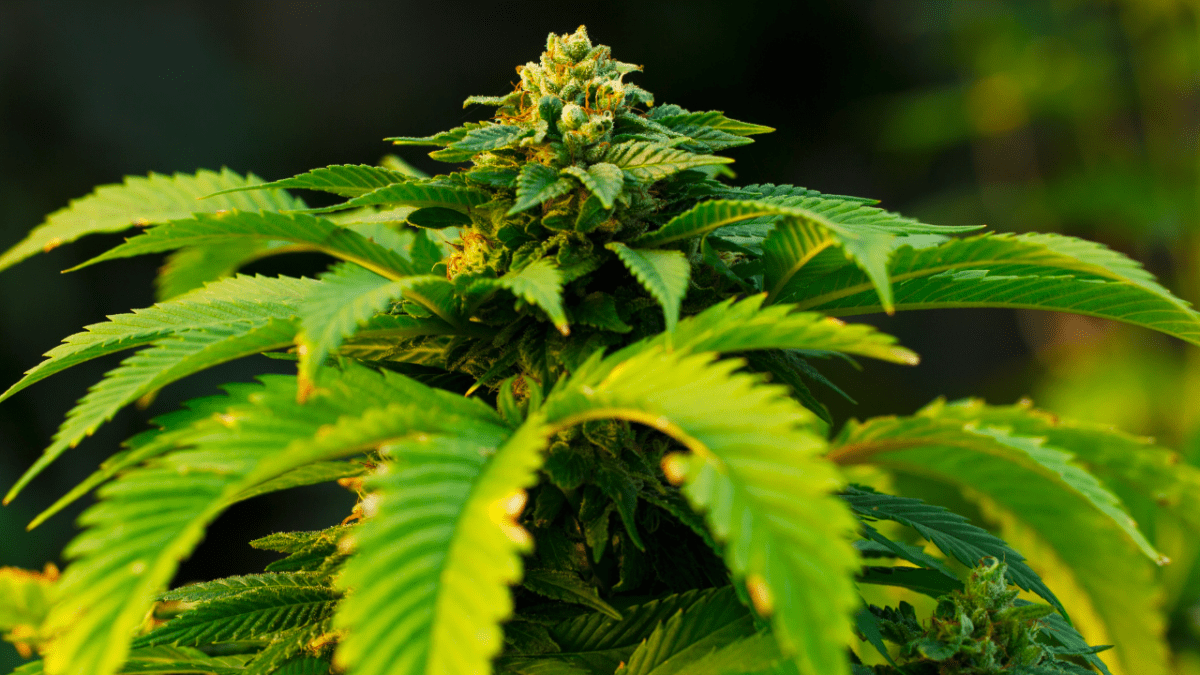
The proposed legislation would allow qualified patients to cultivate up to six flowering plants for personal consumption only. Commercial activity would remain prohibited, meaning selling, distributing, or exceeding the allowed limits would not be permitted. These restrictions are designed to preserve oversight and prevent misuse while maintaining patient-focused access.
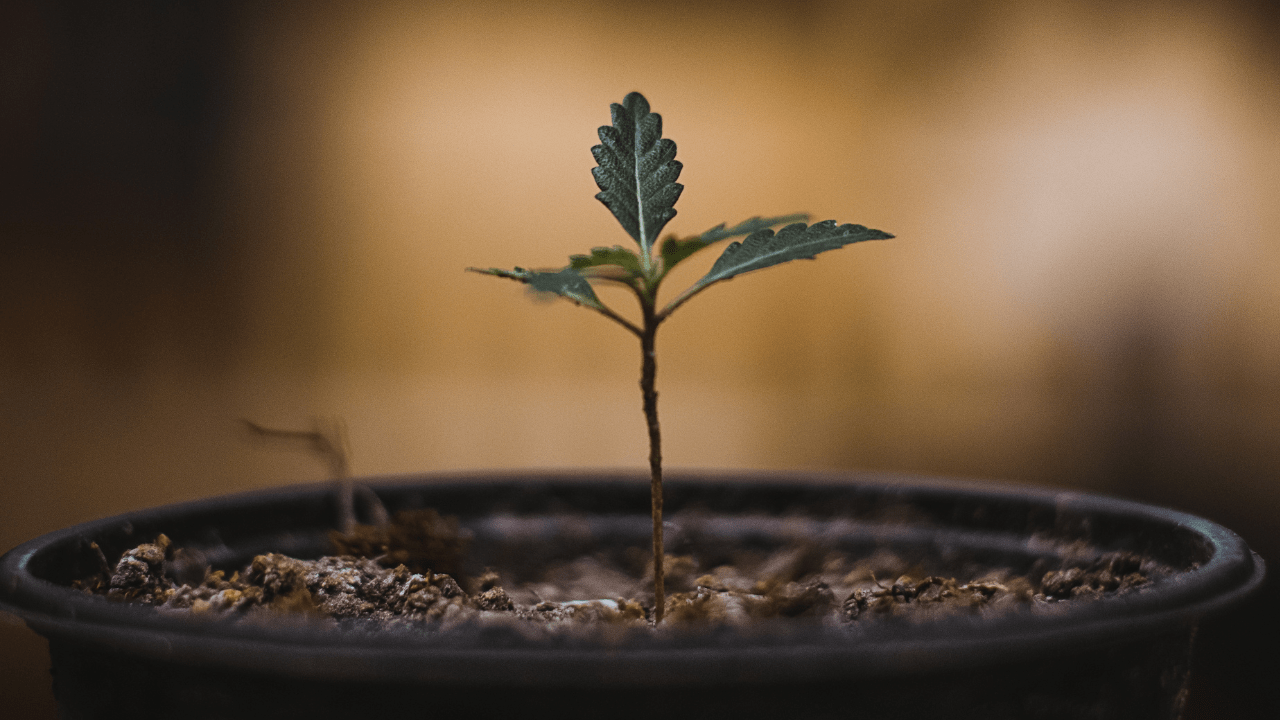
Senate Bill 776 also outlines how patients would obtain seeds and clones. If enacted, patients would be authorized to purchase these materials exclusively from licensed medical marijuana treatment centers. This provision ensures that sourcing remains within Florida’s regulated system and prevents unlicensed distribution.
The bill further specifies that any personal consumption of home-cultivated plants would be limited to the qualified patient’s residence and subject to defined legal limitations. It does not authorize public use, expanded locations, or unrestricted activity. All existing standards and responsibilities would continue to apply.
It is important to clarify what Senate Bill 776 does not do. The proposal does not legalize recreational use, does not remove current patient requirements, and does not change existing laws at this time. Until a bill is formally passed and signed into law, all current Florida regulations remain fully in effect.
As of now, the most recent action on Senate Bill 776 occurred on December 16, 2025, when it was referred to Senate committees for further review. No committee votes or floor votes have taken place. If the bill were to pass and be signed, the proposed effective date would be July 1, 2026. Until then, no legal changes have occurred.
Beyond the policy details, Senate Bill 776 represents a broader shift toward evaluating patient accessibility, regulatory clarity, and responsible frameworks. Even while still under discussion, proposals like this encourage informed conversations about how systems can evolve while maintaining oversight and patient safety.
At AML, patient education is central to everything we do. Our focus is helping patients understand current requirements, stay informed about legislative developments, and navigate their options responsibly. As discussions continue throughout 2026, we remain committed to providing clear, accurate information grounded in facts.
Can I Lose My Job for Having a Medical Marijuana Card in Florida?
1
For many Floridians, getting a medical marijuana card can feel like a big step toward better health. But one question often stops people from moving forward: Will this affect my job? The fear of losing employment or failing a drug test is common, and it’s one of the main reasons patients delay treatment. Let’s unpack what really happens when medical marijuana meets the workplace, and what you should know before applying.
Understanding Florida’s Law on Medical Marijuana and Employment
Medical marijuana is legal in Florida for qualified patients, but that doesn’t mean it’s protected in every situation. State law allows you to use cannabis for medical purposes under a doctor’s recommendation, yet it does not require employers to make exceptions to their workplace drug policies.
That means even if you have a valid medical marijuana card, your employer can still enforce a zero-tolerance policy if they choose to. This is especially true for jobs that follow federal guidelines, like transportation, aviation, or government-related work. Because cannabis remains illegal under federal law, those workplaces must continue testing and cannot make exceptions.
For most private employers, the decision depends on company policy. Some companies have updated their rules to be more flexible, while others still test for THC and take action if it appears in your system.
What About Privacy and Confidentiality?
One of the most common concerns is whether your employer will find out about your medical marijuana card. The short answer is: not unless you tell them.
Your patient information is protected under HIPAA privacy laws. That means your medical records, including your MMJ certification, are confidential. Your employer does not have access to that information unless you choose to disclose it.
At AML, patient confidentiality is a top priority. Every consultation and recommendation is handled privately and securely. Our goal is to help you make informed decisions about your health without worrying about who might find out.
Should You Tell Your Employer?
This is a personal choice, and it depends on your work environment. If your job doesn’t require drug testing, you may decide to keep your medical use private. If your workplace does perform regular or random tests, it might be worth having an open, professional conversation with HR before beginning treatment.
If you decide to disclose, focus on clarity and professionalism. Let them know you are under a doctor’s supervision for a qualifying condition and that your treatment is legal under Florida law. Avoid unnecessary details about dosage or frequency, and emphasize your continued commitment to safety and productivity.
For safety-sensitive jobs or federally regulated industries, always check with your HR department or compliance officer before beginning MMJ treatment.
Responsible Use and Professionalism
2
Having a medical marijuana card comes with responsibilities. Always follow your physician’s dosage recommendations and avoid using cannabis during or right before work hours. Even though your treatment is legal, being under the influence while on duty is never advised.
At AML, we guide patients not only through the certification process but also through responsible use practices. Our doctor helps you understand how to balance treatment with daily life so you can continue to work safely and confidently.
In Florida, having a medical marijuana card doesn’t automatically put your job at risk, but it also doesn’t guarantee protection. Understanding your workplace policies, knowing your rights, and communicating wisely can help you make the best decision for your health and career.
If you’re unsure how medical marijuana might fit into your lifestyle, we can help. Our doctor offers private, judgment-free consultations to guide you through the process safely and responsibly.
Florida Moves to Waive MMJ Registration Fees for Veterans
1
Florida’s medical marijuana program may soon get easier and more affordable, especially for veterans, thanks to House Bill 555 (HB 555), a new proposal currently moving through the state legislature.
What HB 555 Would Change
ID Cards Last Longer: Instead of renewing your MMJ card every year, HB 555 would change it to every two years. Less paperwork, fewer fees, and more peace of mind.
Free ID Cards for Veterans: If you’re a veteran with an honorable discharge, this bill would waive your fees for getting, renewing, or replacing your MMJ ID card.
When Would These Changes Start?
2
If passed, HB 555 would go into effect on July 1, 2025.
Why This Matters
For Florida patients, especially veterans, this bill is a step forward. It means fewer hurdles, lower costs, and better access to the care you need.
We’ll keep an eye on HB 555 and update you if it officially passes. In the meantime, we’re here to help you every step of the way, whether you’re a first-time patient or renewing your card.
3
We’re Here to Support You
At AML, we believe every patient deserves affordable, compassionate care, especially those who’ve served. We’ll continue to monitor this bill and update our community as it moves forward.
Learn More
Curious to learn more about medical cannabis or to start your medical marijuana treatment? Give the qualified team at Affordable Marijuana Clinic a call at (904) 586-0041 or submit a short application today!
The Current State of Medical Marijuana in Florida: Amendment 3 and Its Role in Florida’s Medical Marijuana Landscape
The landscape of medical marijuana in Florida is undergoing significant changes, with Amendment 3 at the forefront of this transformation. As the state with the largest medical marijuana patient registry in the United States, Florida stands at a crucial juncture in its approach to cannabis legislation. The proposed amendment has sparked widespread debate and has the potential to reshape the state’s policies on medical and recreational marijuana use.
Current State of Medical Marijuana in Florida
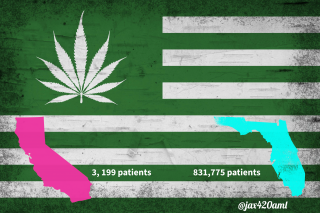
Florida has emerged as a significant player in the medical marijuana landscape, boasting the largest patient registry in the United States. The state’s medical cannabis program has experienced substantial growth since its inception, with over 800,000 registered patients as of 2024. This remarkable expansion underscores the increasing acceptance and utilization of medical marijuana in the Sunshine State.
The size of Florida’s medical marijuana patient registry is a testament to the program’s success. With nearly 1.5% of the state’s population enrolled, Florida has surpassed California to become the largest medical cannabis market in the country. This growth can be attributed to the state’s expanding list of qualifying conditions and the increasing awareness of medical marijuana’s potential benefits.
Qualifying Conditions
Florida’s list of qualifying conditions for medical marijuana use is comprehensive. It includes cancer, epilepsy, glaucoma, HIV/AIDS, PTSD, ALS, Crohn’s disease, Parkinson’s disease, and multiple sclerosis. Additionally, physicians have the discretion to recommend medical marijuana for other debilitating conditions they believe could benefit from cannabis treatment. This flexibility has allowed more patients to access medical marijuana, contributing to the program’s rapid expansion.
Dispensary System
The state’s dispensary system has grown alongside the patient registry. As of 2024, there are 22 licensed Medical Marijuana Treatment Centers (MMTCs) operating in Florida, with more licenses expected to be awarded. These MMTCs are vertically integrated, meaning they control all aspects of production from cultivation to retail sales. The number of dispensaries has increased significantly, with some companies operating over 100 locations statewide.
Despite the program’s success, challenges remain. The cost of medical marijuana can be prohibitive for some patients, as it is not covered by insurance. Additionally, while the number of dispensaries has grown, access can still be limited in certain areas of the state. As Florida’s medical marijuana program continues to evolve, addressing these issues will be crucial to ensuring equitable access for all eligible patients.
Amendment 3: Proposed Changes to Florida’s Cannabis Laws
Key Provisions
Amendment 3 aims to legalize recreational marijuana use for adults 21 and older in Florida. If passed, it would allow Floridians to possess, purchase, and use marijuana products without medical authorization. This change would also apply to tourists of legal age visiting the state.
The amendment would permit adults to possess, purchase, or use marijuana products and accessories for non-medical personal consumption through smoking, ingestion, or other methods. This provision represents a significant shift from the current medical-only model in Florida.
Potential Impact on Medical Program
The proposed amendment could have a substantial impact on Florida’s existing medical marijuana program, which is already the largest in the United States. With over 800,000 registered patients, Florida’s medical cannabis market is projected to grow from $1.75 billion in 2023 to $2.4 billion by 2026.
If Amendment 3 passes, it could potentially expand the market even further. However, it may also lead to changes in the current medical program structure. Some medical patients might transition to the recreational market, potentially affecting patient numbers and sales in the medical sector.
The amendment’s passage could also influence the operations of existing Medical Marijuana Treatment Centers (MMTCs). These vertically integrated companies might need to adapt their business models to serve both medical and recreational markets.
While the amendment aims to legalize recreational use, it’s important to note that it faces opposition. The Florida attorney general, along with other groups, is attempting to block the effort, calling it unconstitutional and accusing the state’s largest MMJ operator of trying to establish a monopoly on the adult-use market.
Despite these challenges, many cannabis companies are expanding their presence in Florida, anticipating potential adult-use legalization. This expansion includes opening new dispensaries and diversifying product offerings, demonstrating the industry’s optimism about the amendment’s possible passage.
Comparing Florida’s Medical Marijuana Program to Other States
Florida’s medical marijuana program has become one of the largest in the United States, with over 800,000 registered patients. This significant patient base sets Florida apart from many other states with medical cannabis programs.
Patient Numbers
Florida boasts the largest medical marijuana patient registry in the country, surpassing even California in terms of registered users. With nearly 1.5% of the state’s population enrolled, Florida has established itself as a leader in medical cannabis adoption. This rapid growth can be attributed to the state’s expanding list of qualifying conditions and increasing awareness of medical marijuana’s potential benefits.
Accessibility
While Florida has seen substantial growth in its medical marijuana program, accessibility remains a challenge in some areas. The state has 22 licensed Medical Marijuana Treatment Centers (MMTCs) operating, with more licenses expected to be awarded. These MMTCs are vertically integrated, controlling all aspects of production from cultivation to retail sales.
However, compared to some other states, Florida’s dispensary system is still developing. For example, some companies in Florida operate over 100 locations statewide, but access can be limited in certain regions. This contrasts with states like California or Colorado, which have more established and widespread dispensary networks.
Product Variety
Florida’s medical marijuana program offers a range of products to patients, including oils, edibles, and flower. However, the variety of products available may be more limited compared to some other states with longer-established programs. For instance, while Florida introduced edibles to its product lineup in August of 2020, states like California and Colorado have had a wider array of edible options for years.
Despite these challenges, Florida’s medical marijuana market is projected to grow significantly. The MJBiz Factbook estimates that Florida’s medical cannabis market will expand from $1.75 billion in 2023 to $2.4 billion by 2026, indicating continued growth and development in the state’s program.
As Florida’s medical marijuana program continues to evolve, it’s likely to see further expansion in patient numbers, accessibility, and product variety, potentially bringing it more in line with or even surpassing other well-established state programs.
Conclusion
Florida’s medical marijuana program has made significant strides, establishing itself as a leader in the field with the largest patient registry in the United States. The proposed Amendment 3 has the potential to cause a revolution in the state’s cannabis landscape, potentially expanding access and reshaping the existing medical program. As the debate continues, it’s clear that Florida’s approach to medical marijuana will have a lasting impact on patients, businesses, and the broader cannabis industry.
Looking ahead, the future of medical marijuana in Florida seems promising, with projected market growth and ongoing discussions about expanding access. To consider the potential benefits of medical marijuana, eligible individuals may want to explore their options. Make an appointment to get your medical marijuana card with Affordable Marijuana License today!